I'm a participant in the Amazon Services LLC Associates Program, an affiliate advertising program designed to provide a means for me to earn fees by linking to Amazon.com and affiliated sites.
If your carpet spot cleaner smells bad the moment you turn it on—or leaves a musty odor behind—it’s almost always a storage problem, not a cleaning problem. Moisture trapped in tanks, hoses, or nozzles turns into mold and bacteria fast. Learn how to store your carpet spot cleaner properly.
Quick Verdict:
To avoid mold and smells, store your carpet spot cleaner completely dry, with empty tanks, flushed hoses, open airflow, and loose hose storage—in a dry, temperature-stable space. Five minutes of prep after cleaning prevents months of odor and suction loss.
Why this matters:
A poorly stored cleaner doesn’t just smell—it re-deposits bacteria into carpets, weakens suction, and shortens the machine’s life. Proper storage keeps performance strong and your home fresh.
Product | Cleaning Power | Portability | Cordless | Best Use Case | Tank Size | Price | |
|---|---|---|---|---|---|---|---|
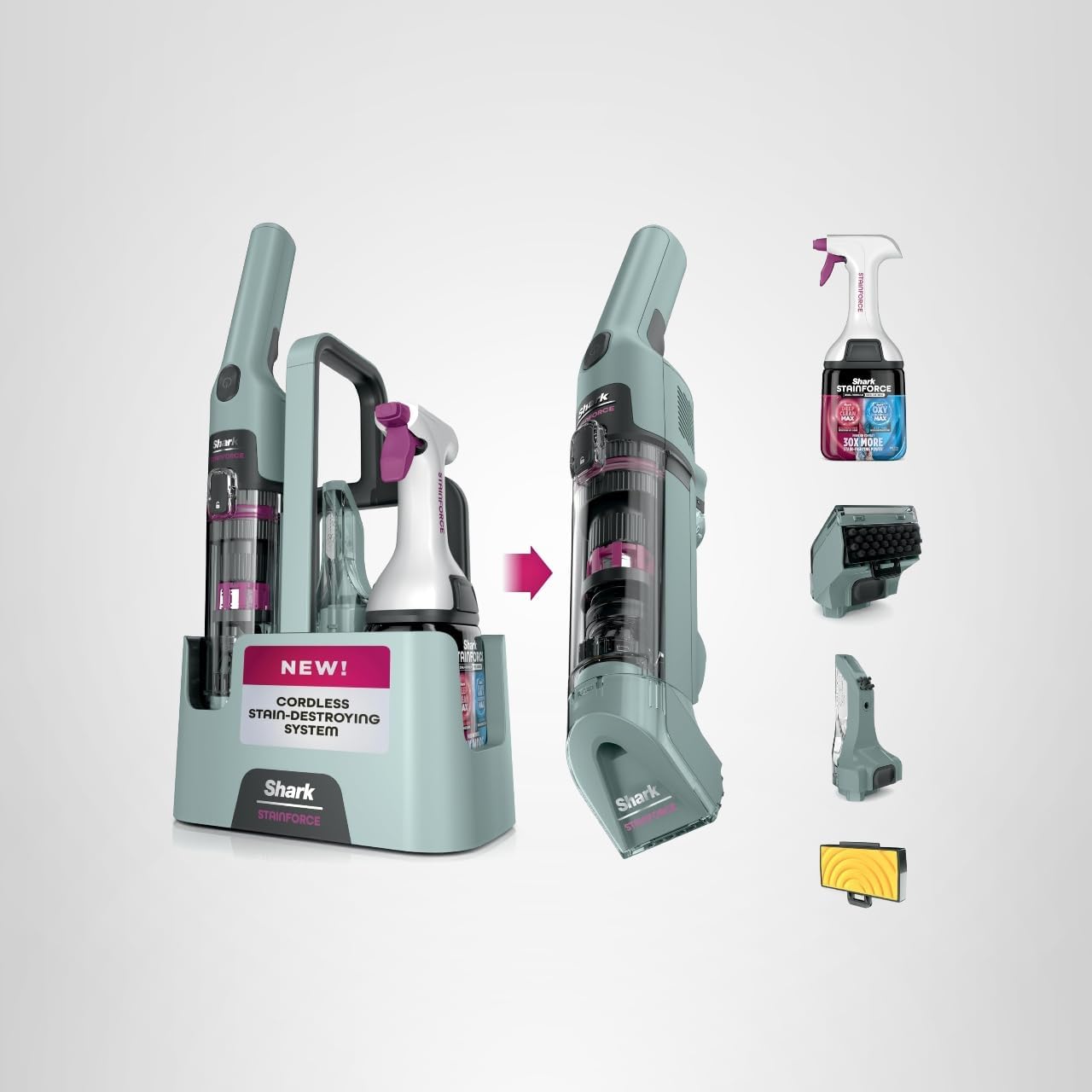 | Good | Excellent | Yes | Quick spills, pets, cars | Small |  | |
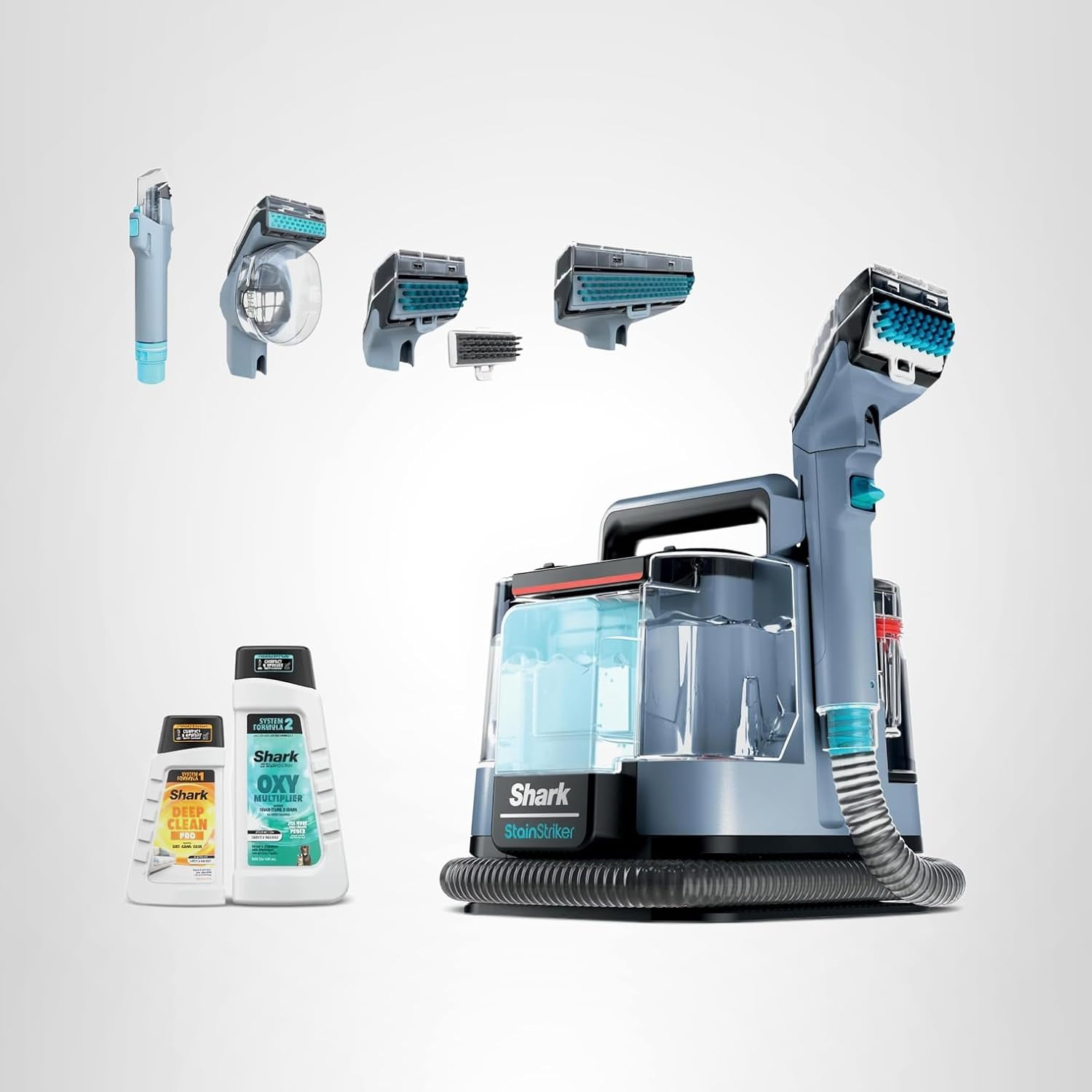 | Excellent | Good | No | Deep stains, carpets | Medium | | |
 | Very Good | Good | No | Everyday stains, upholstery | Medium | | |
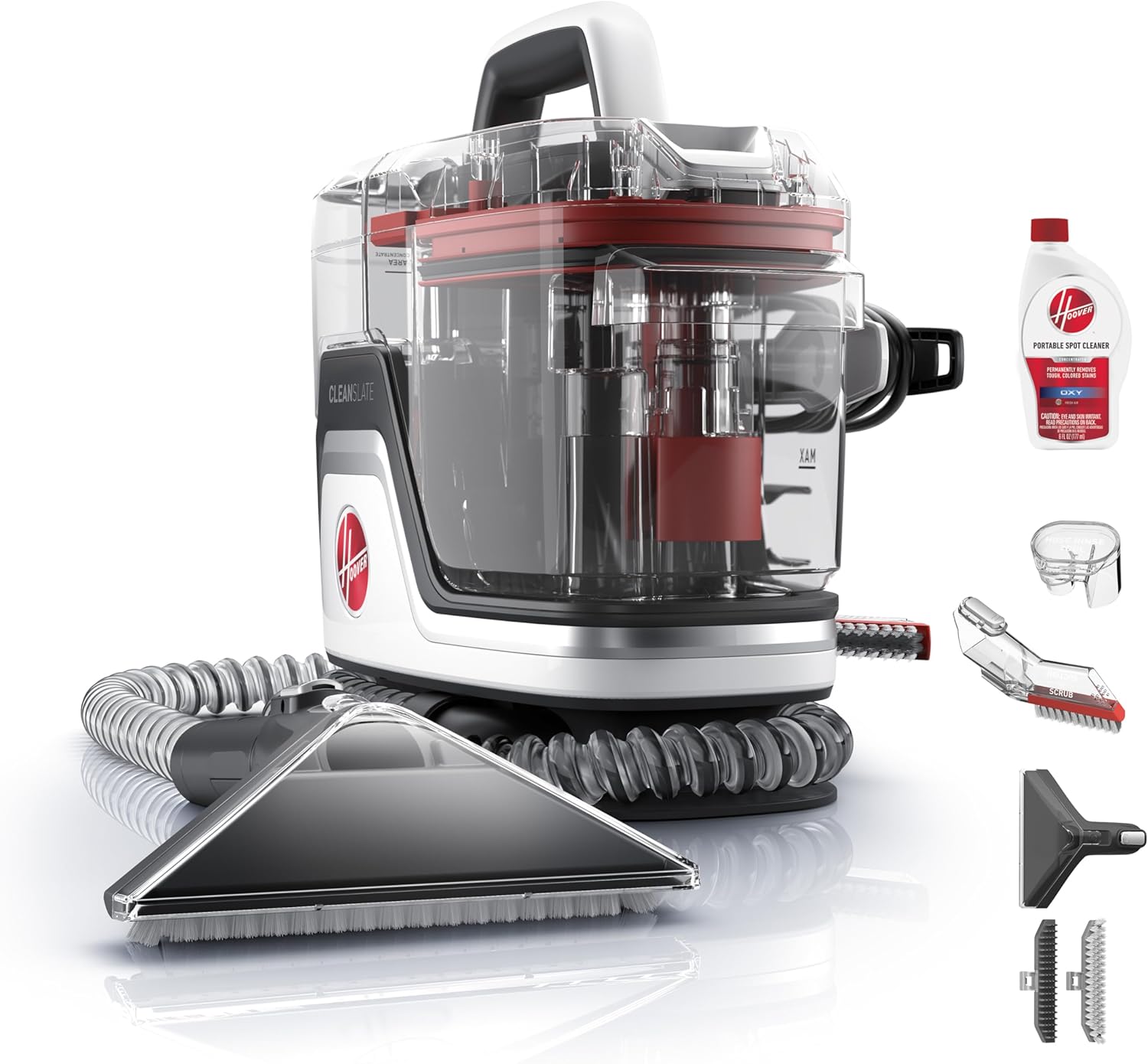 | Excellent | Fair | No | Large stains, carpets | Large | | |
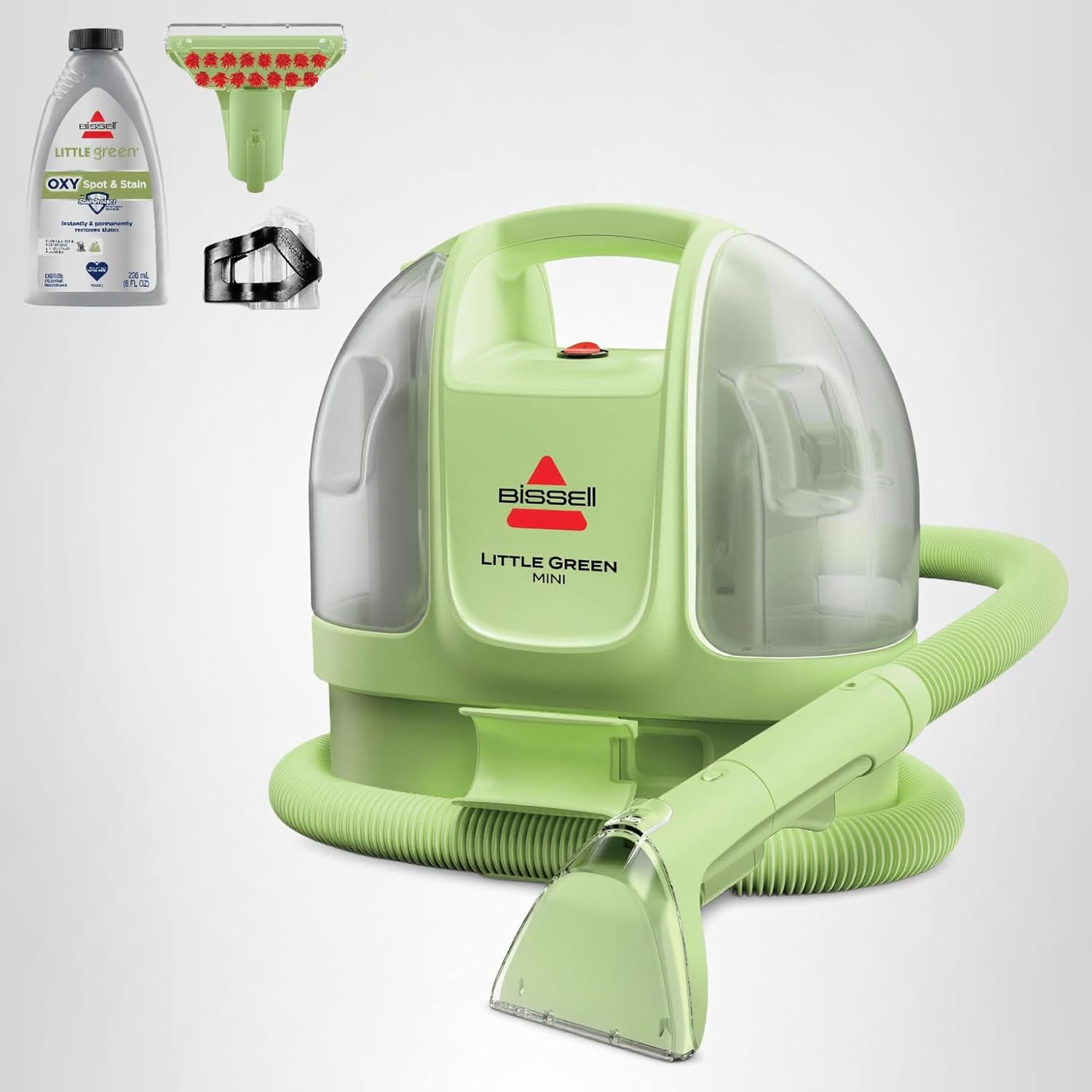 | Good | Excellent | No | Light stains, tiny spaces | Small | |
1. What Causes Mold & Smells in Stored Spot Cleaners
Understanding the “why” makes the fix obvious.
A. Trapped Moisture
Any water left in:
- Dirty or clean tanks
- Hoses
- Spray lines
- Nozzles
…creates the perfect environment for bacteria and mold.
- Shark StainForce is the best cordless option for fast, everyday cleanups.
- Shark StainStriker delivers the deepest cleaning power for tough carpet stains.
- Hoover CleanSlate Pro is the best for large spills and high-traffic homes.
- BISSELL Little Green remains the best all-around value.
- BISSELL Little Green Mini is the best tiny-but-mighty option for small spaces.
B. Detergent Residue
Soap left inside hoses and valves:
- Feeds bacteria
- Hardens over time
- Restricts airflow
Residue is a common reason machines smell even after “rinsing.”
C. Sealed Storage
Closing caps, coiling hoses tightly, or storing in airtight spaces locks humidity inside.
D. Bad Storage Locations
Garages, basements, or closets with:
- High humidity
- Freezing temps
- Poor airflow
…accelerate mold growth and component damage.
2. Step-by-Step: How to Store a Spot Cleaner the Right Way
Step 1 — Empty Tanks Immediately
- Dump dirty water
- Empty any remaining clean solution
Never store liquid inside—ever.
Step 2 — Rinse Tanks Until Clear
- Use warm water
- Swirl and pour out
- Repeat until there’s no scent or suds
Pay attention to seams and corners.
Product | Cleaning Power | Portability | Cordless | Best Use Case | Tank Size | Price | |
|---|---|---|---|---|---|---|---|
| Good | Excellent | Yes | Quick spills, pets, cars | Small | | |
| Excellent | Good | No | Deep stains, carpets | Medium | | |
| Very Good | Good | No | Everyday stains, upholstery | Medium | | |
| Excellent | Fair | No | Large stains, carpets | Large | | |
| Good | Excellent | No | Light stains, tiny spaces | Small | |
Step 3 — Flush the Hose & Spray Line
This is the most skipped—and most important—step.
How to flush:
- Fill the clean tank with plain water only
- Spray through the hose for 15–30 seconds
- Run suction until the hose looks clear
This removes soap residue that causes smells and clogs.
This extraction-first approach—moving moisture out rather than sealing it in—is the same reason airflow matters so much in floor care, something VacuumsPal emphasizes often (including in deep-dive performance guides like Tineco S9 vs S5).
Step 4 — Dry Everything Completely
Before storage:
- Leave tanks open
- Hang or drape the hose loosely
- Let nozzles and brushes air-dry
Do not reattach caps or coil hoses tightly while damp.
Step 5 — Store With Airflow
Ideal setup:
- Tanks off or caps open
- Hose loosely looped (not kinked)
- Unit upright, not sealed in plastic
Airflow prevents humidity buildup.
3. Where (and Where NOT) to Store Your Spot Cleaner
Best Storage Locations
- Indoor utility closet
- Laundry room (if ventilated)
- Climate-controlled storage room
These spaces keep temps stable and humidity low.
Avoid These Areas
- ❌ Damp basements
- ❌ Freezing garages
- ❌ Attics with heat swings
- ❌ Sealed bins or plastic bags
Freezing damages pumps and seals; heat degrades plastics.
Hose Storage Tip
- Coil loosely in large loops
- Avoid tight wraps around the unit
- Never pinch or kink
Restricted hoses reduce suction over time.
Proper Spot Cleaner Storage Checklist
How to Store a Carpet Spot Cleaner
Task | Do This | Why It Matters |
|---|---|---|
Empty tanks | Immediately after use | Prevents mold growth |
Rinse tanks | Until water is clear | Removes odor-causing residue |
Flush hose | Every use | Stops soap buildup |
Air-dry parts | Tanks open, hose loose | Prevents trapped moisture |
Store location | Dry, climate-stable | Protects components |
Hose position | Loose coils | Maintains airflow |
4. Common Storage Mistakes That Cause Odor
Avoid these and you avoid 90% of issues:
- ❌ Storing with water inside
- ❌ Closing tank caps while damp
- ❌ Coiling wet hoses tightly
- ❌ Using plastic bags or bins
- ❌ Storing in freezing temps
- ❌ Ignoring faint smells (they worsen)
If it smells when you store it, it will smell worse later.
FAQs – How to Store Your Carpet Spot Cleaner Properly
Why does my carpet cleaner smell after sitting unused?
Because moisture or detergent residue was trapped inside during storage.
Can mold grow inside a spot cleaner?
Yes—especially in hoses and tanks if stored damp.
Should I leave the tank cap open during storage?
Yes. Open tanks allow moisture to evaporate.
Is it okay to store a spot cleaner in the garage?
Only if it’s dry and doesn’t freeze. Climate-controlled storage is best.
How do I fix a smelly cleaner before use?
Rinse tanks, flush hoses with clean water, and air-dry fully before cleaning carpets.
Other Interesting Articles
- Best Carpet Spot Cleaner (2026): Top 5 Picks After Testing Real Stains
- Shark StainForce vs Hoover CleanSlate: Best for Carpet Deep Cleaning
- Shark StainForce vs Shark StainStriker: Best Portable Carpet and Upholstery Cleaner
- Shark StainForce vs Bissell Little Green: Which Spot Cleaner Should You REALLY Buy?
About the Author
VacuumsPal helps homeowners get cleaner results—and longer life—from their cleaning tools. From proper storage to extraction technique, we focus on real-world habits that prevent odor, protect equipment, and keep homes healthier.