I'm a participant in the Amazon Services LLC Associates Program, an affiliate advertising program designed to provide a means for me to earn fees by linking to Amazon.com and affiliated sites.
Most carpet cleaners don’t fail because they’re “cheap” — they fail because of neglect. Clogged hoses, moldy tanks, burned-out motors, and weak suction usually come from a few avoidable habits. The good news? With basic care, a carpet cleaner can easily last 5 years or more, even with regular use.
Quick Verdict:
If you rinse after every use, never store water inside, clean hoses and filters regularly, and avoid over-wetting, your carpet cleaner will last years longer — and work better the entire time.
Why this matters:
Replacing a carpet cleaner every 1–2 years is expensive and unnecessary. Proper maintenance doesn’t just extend lifespan — it also prevents odors, suction loss, and the dreaded “dirty smell” blowing back onto your carpets.
Product | Cleaning Power | Portability | Cordless | Best Use Case | Tank Size | Price | |
|---|---|---|---|---|---|---|---|
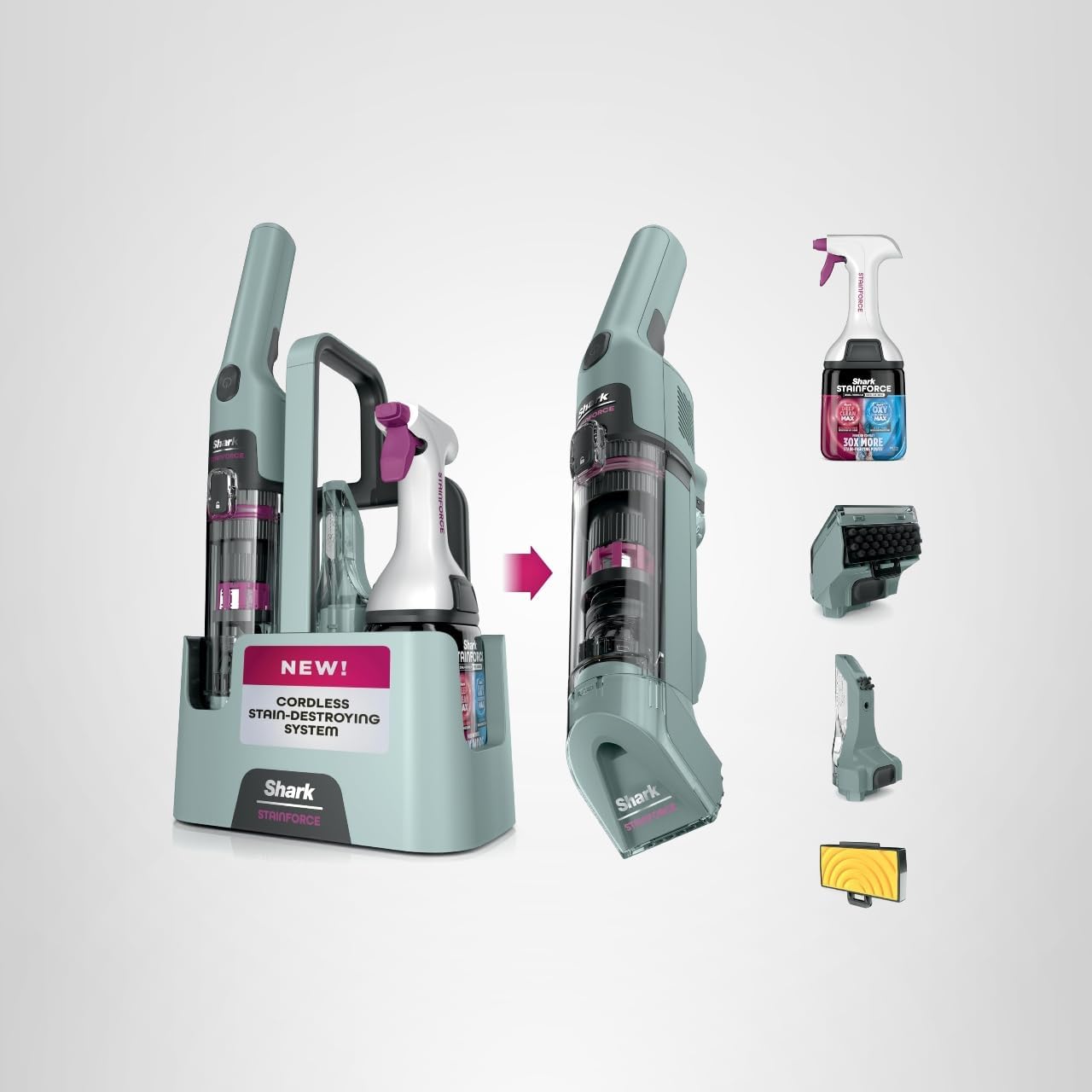 | Good | Excellent | Yes | Quick spills, pets, cars | Small |  | |
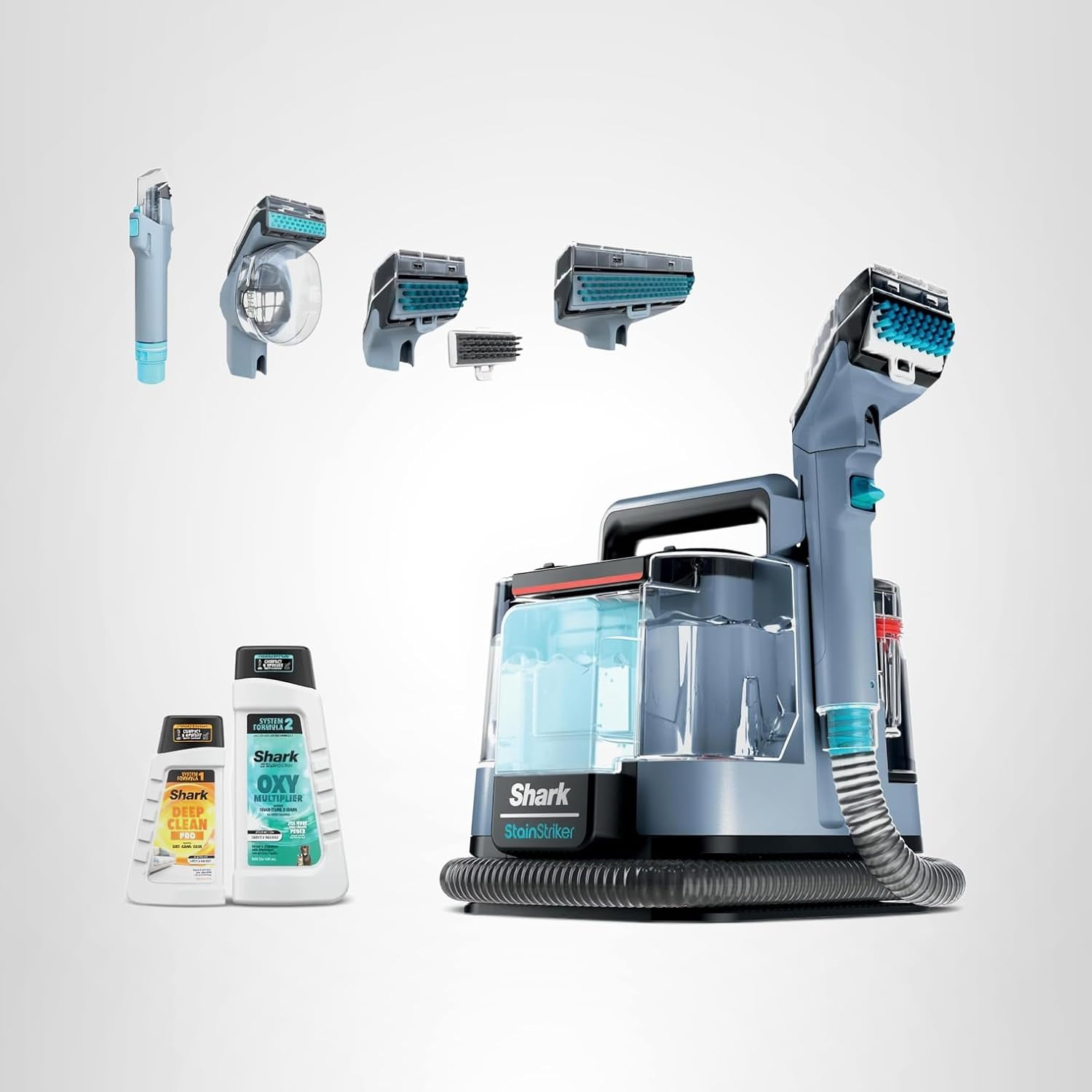 | Excellent | Good | No | Deep stains, carpets | Medium | | |
 | Very Good | Good | No | Everyday stains, upholstery | Medium | | |
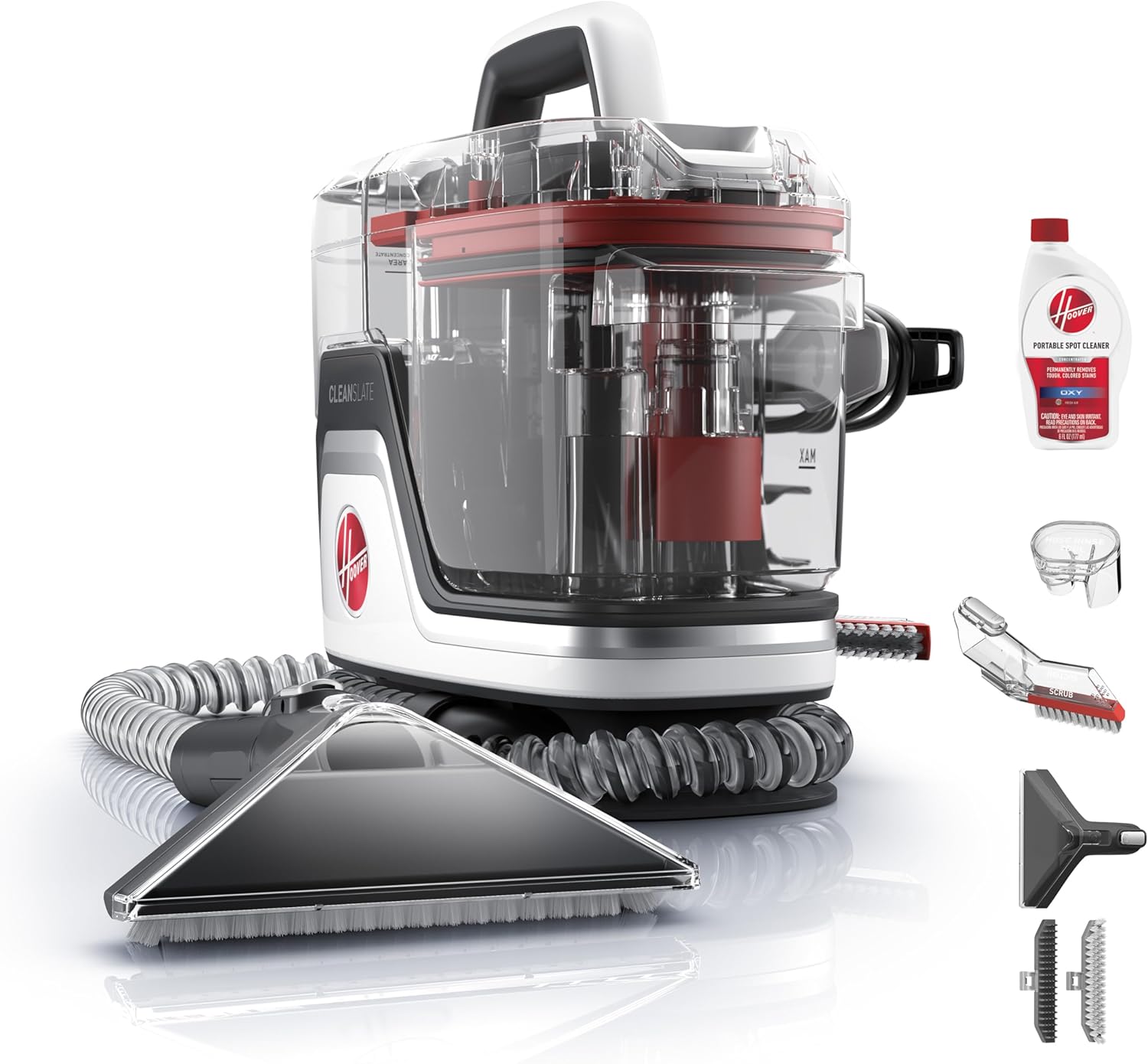 | Excellent | Fair | No | Large stains, carpets | Large | | |
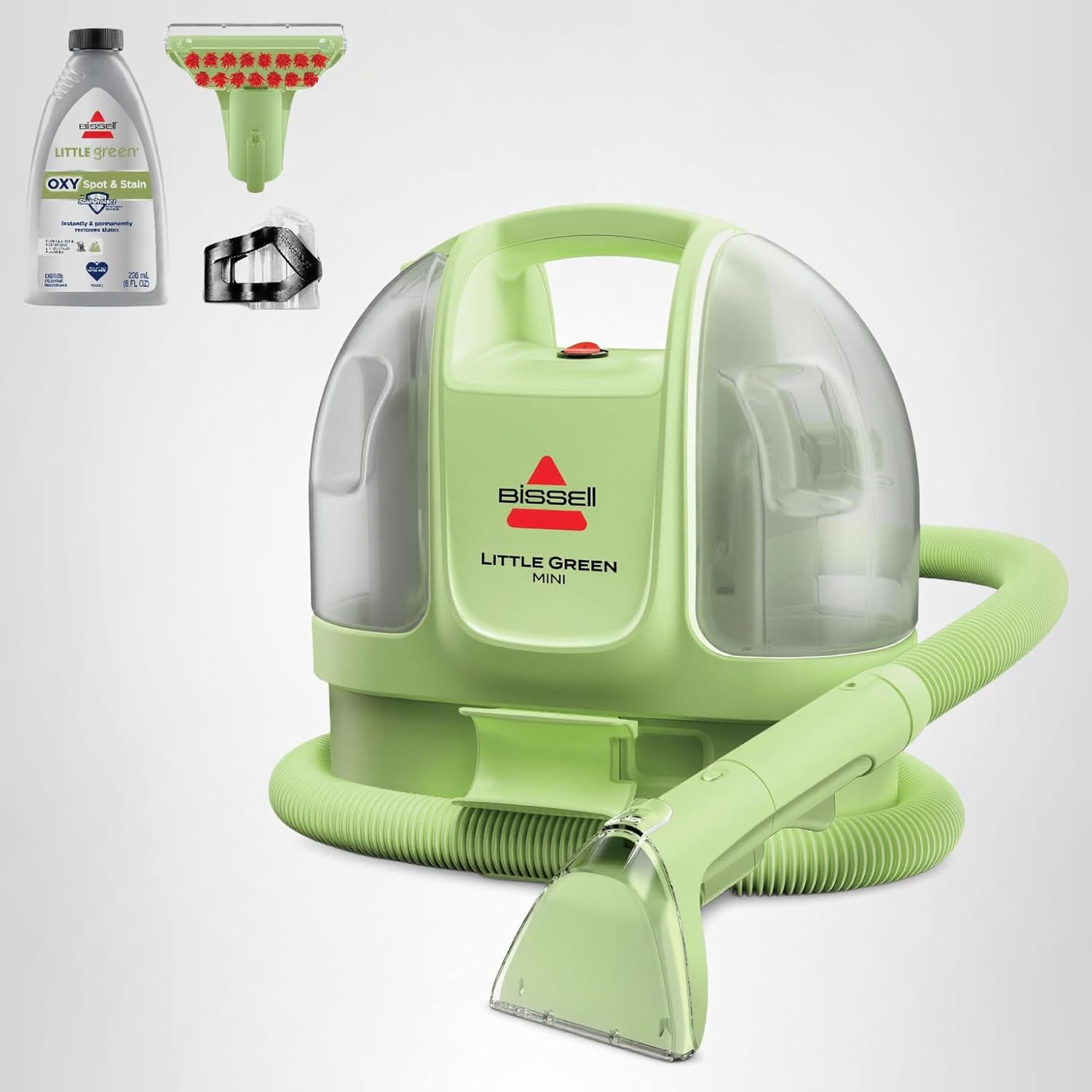 | Good | Excellent | No | Light stains, tiny spaces | Small | |
1. What Actually Kills Carpet Cleaners Early (And Why)
Most breakdowns aren’t mechanical defects — they’re buildup problems.
The most common causes of early failure
- Leaving dirty water inside tanks
- Residue buildup in hoses and spray lines
- Mold growth from storing damp components
- Hair and debris clogging nozzles
- Running the motor with restricted airflow
- Overusing detergent (soap residue kills suction)
Carpet cleaners move dirty water, hair, and chemicals through small pathways. If those pathways aren’t cleaned, the machine slowly suffocates itself.
2. Daily & After-Use Care (This Is Non-Negotiable)
If you do nothing else, do this section every time.
A. Empty and Rinse Tanks Immediately
Never leave water — clean or dirty — sitting in the machine.
After every use:
- Empty dirty tank
- Rinse both tanks with warm water
- Shake excess water out
Standing water = mold, odor, and internal damage.
- Shark StainForce is the best cordless option for fast, everyday cleanups.
- Shark StainStriker delivers the deepest cleaning power for tough carpet stains.
- Hoover CleanSlate Pro is the best for large spills and high-traffic homes.
- BISSELL Little Green remains the best all-around value.
- BISSELL Little Green Mini is the best tiny-but-mighty option for small spaces.
B. Flush the Hose & Spray Line
This step alone can add years to your machine’s life.
How to do it:
- Fill tank with clean water only
- Spray through the hose for 15–30 seconds
- Run suction until hose is clear
This removes detergent residue that hardens over time and blocks flow.
The importance of clean extraction paths is something I often highlight in performance discussions like Tineco S9 vs S5 — airflow is everything.
C. Clean the Nozzle & Brush Head
Hair, lint, and carpet fibers love to hide here.
- Remove brush heads if possible
- Pull out wrapped hair
- Rinse spray ports
- Wipe dry
A clogged nozzle forces the motor to work harder than it should.
D. Let Everything Air-Dry Fully
Before storing:
- Leave tanks open
- Hang hose loosely (not coiled tight)
- Let brushes dry completely
Never seal moisture inside the machine.
Product | Cleaning Power | Portability | Cordless | Best Use Case | Tank Size | Price | |
|---|---|---|---|---|---|---|---|
| Good | Excellent | Yes | Quick spills, pets, cars | Small | | |
| Excellent | Good | No | Deep stains, carpets | Medium | | |
| Very Good | Good | No | Everyday stains, upholstery | Medium | | |
| Excellent | Fair | No | Large stains, carpets | Large | | |
| Good | Excellent | No | Light stains, tiny spaces | Small | |
3. Weekly, Monthly, and Long-Term Maintenance That Pays Off
Weekly (If You Use It Often)
- Inspect hose for clogs or cloudiness
- Wipe seals and gaskets
- Check spray consistency
Monthly
- Rinse internal pathways with warm water
- Inspect filters (washable or replaceable)
- Clean detergent residue from tank corners
Every 3–6 Months
- Deep flush hose with warm water
- Inspect power cord for strain
- Check wheels, clips, and seals
Once a Year
- Replace filters if applicable
- Inspect for cracks or leaks
- Tighten any loose fittings
Think of this like an oil change — boring, but essential.
Carpet Cleaner Maintenance Schedule
Carpet Cleaner Care Schedule
Task | How Often | Why It Matters |
|---|---|---|
Empty tanks | After every use | Prevents mold & odor |
Rinse tanks | After every use | Stops residue buildup |
Flush hose | After every use | Prevents clogs & weak spray |
Clean brush/nozzle | After every use | Maintains suction |
Air-dry components | After every use | Prevents internal damage |
Inspect hose/filter | Weekly | Catches issues early |
Deep clean internals | Monthly | Preserves airflow |
Replace filters | Yearly | Protects motor |
Full inspection | Yearly | Extends lifespan |
4. Mistakes That Quietly Kill Carpet Cleaners
Avoid these and you avoid 90% of failures.
Using Too Much Detergent
More soap = more residue = weaker suction.
Always use less than recommended, not more.
Storing the Machine Wet
This causes:
- Mold smell
- Sticky valves
- Hose clouding
- Spray blockage
Dry storage is mandatory.
Ignoring Hair & Debris
Pet hair strangles airflow.
Check brush rolls and hose inlets regularly.
Running the Machine Dry or Blocked
If suction sounds strained:
- Stop
- Check clogs
- Clear debris
Running a stressed motor shortens its life fast.
Letting Odors “Sit”
If your machine smells, that smell will end up back in your carpet.
Clean the machine before cleaning your home.
5. Storage Tips That Extend Lifespan
Where and how you store matters.
- Store in a dry, ventilated area
- Avoid freezing temperatures
- Keep hose loosely coiled
- Never store with liquid inside
- Keep out of direct sun (plastics degrade)
If space is tight, vertical storage is fine — just keep hoses relaxed.
FAQs
How long should a carpet cleaner last?
With proper care, 5–10 years is realistic for most home machines.
Why does my carpet cleaner smell bad?
Trapped dirty water or detergent residue in the hose or tank. Flush and air-dry thoroughly.
Do I need to clean the hose every time?
Yes — even clear hoses can hold residue that hardens over time.
Can poor maintenance reduce suction?
Absolutely. Clogs, residue, and dirty filters directly reduce airflow.
Is it okay to store a carpet cleaner in a garage?
Only if it’s dry and doesn’t freeze. Freezing damages pumps and seals.
Other Interesting Articles
- Best Carpet Spot Cleaner (2026): Top 5 Picks After Testing Real Stains
- Shark StainForce vs Hoover CleanSlate: Best for Carpet Deep Cleaning
- Shark StainForce vs Shark StainStriker: Best Portable Carpet and Upholstery Cleaner
- Shark StainForce vs Bissell Little Green: Which Spot Cleaner Should You REALLY Buy?
About the Author
VacuumsPal helps homeowners get better results — and longer life — from their cleaning tools. From proper technique to smart maintenance, we focus on what actually works in real homes, not marketing hype.