
I'm a participant in the Amazon Services LLC Associates Program, an affiliate advertising program designed to provide a means for me to earn fees by linking to Amazon.com and affiliated sites.
Cleaning a couch with a portable carpet cleaner is one of the fastest ways to revive upholstery, remove odors, lift stains, and bring fabric back to life — if you use the right technique. Done wrong, it can leave water marks, streaks, or lingering dampness. Done right, it makes your couch look like it came straight from a showroom.
Quick Verdict:
To clean a couch properly, you must pre-treat stains, use minimal water, extract slowly, and dry the fabric completely. The secret is gentle cleaning + strong extraction — not soaking the upholstery.
Why this matters:
Couches absorb water differently than carpets. They’re layered, padded, and often contain foam that traps moisture. So the portable cleaner you use on carpets must be handled more carefully on upholstery to avoid water rings, slow drying, or damage.
Product | Cleaning Power | Portability | Cordless | Best Use Case | Tank Size | Price | |
|---|---|---|---|---|---|---|---|
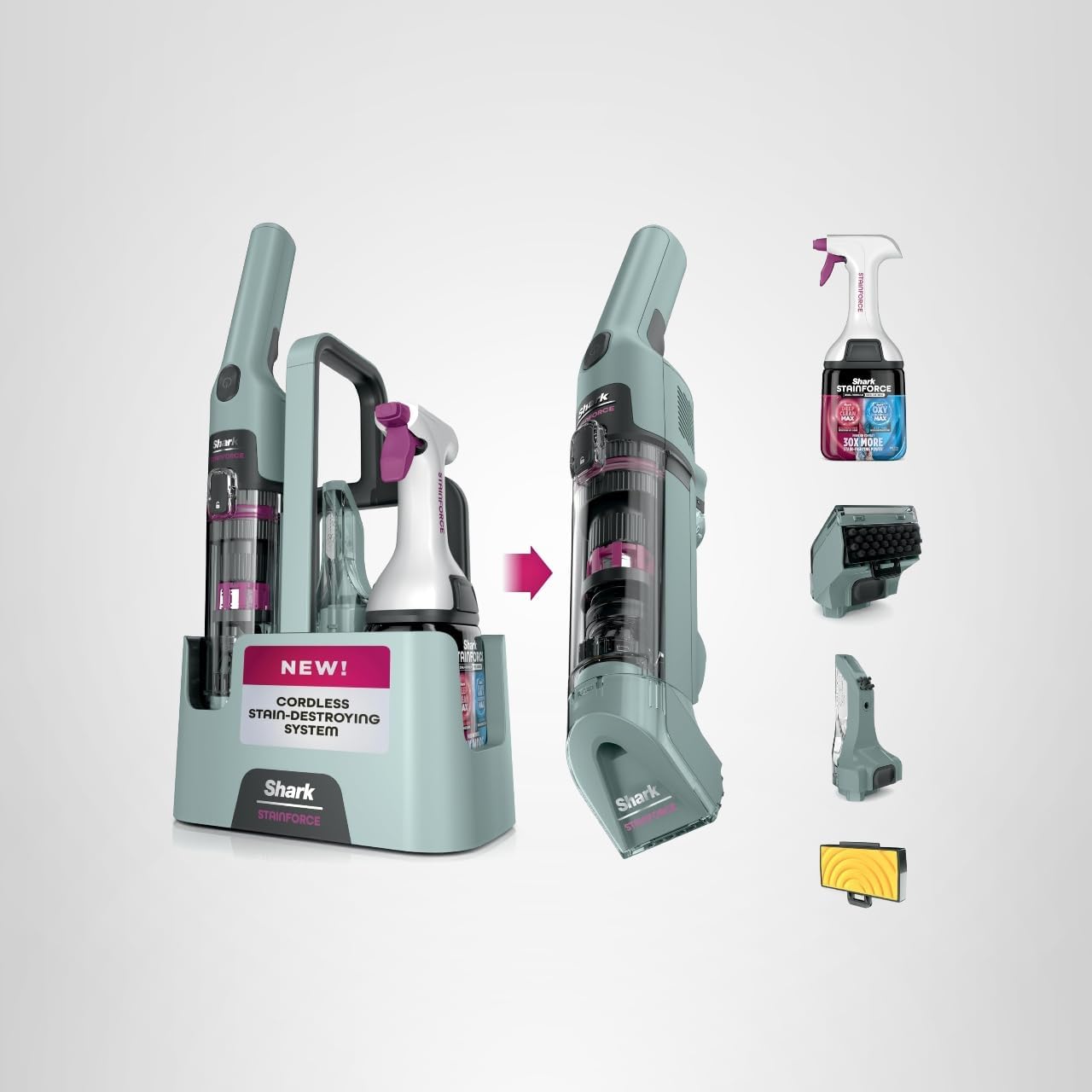 | Good | Excellent | Yes | Quick spills, pets, cars | Small |  | |
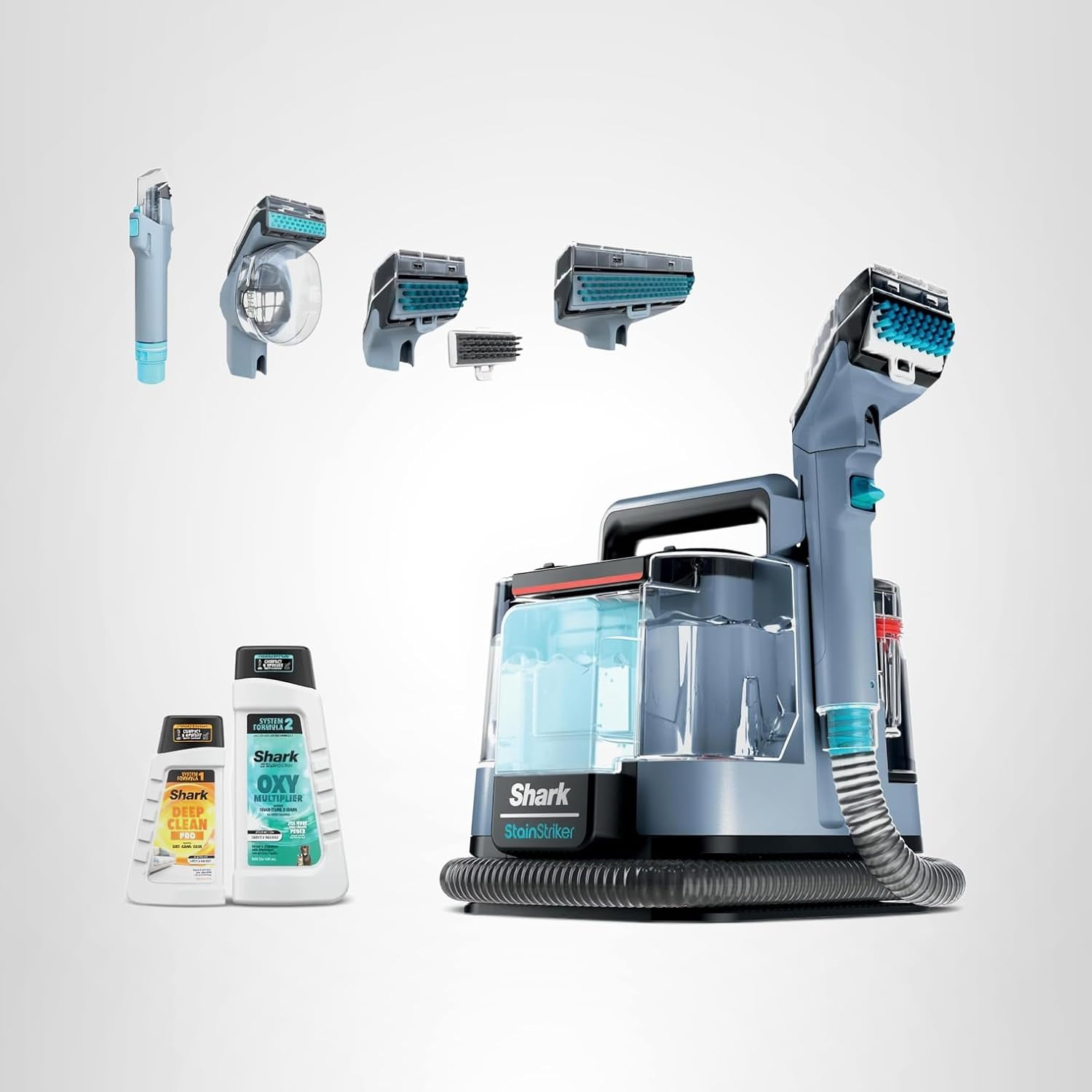 | Excellent | Good | No | Deep stains, carpets | Medium | | |
 | Very Good | Good | No | Everyday stains, upholstery | Medium | | |
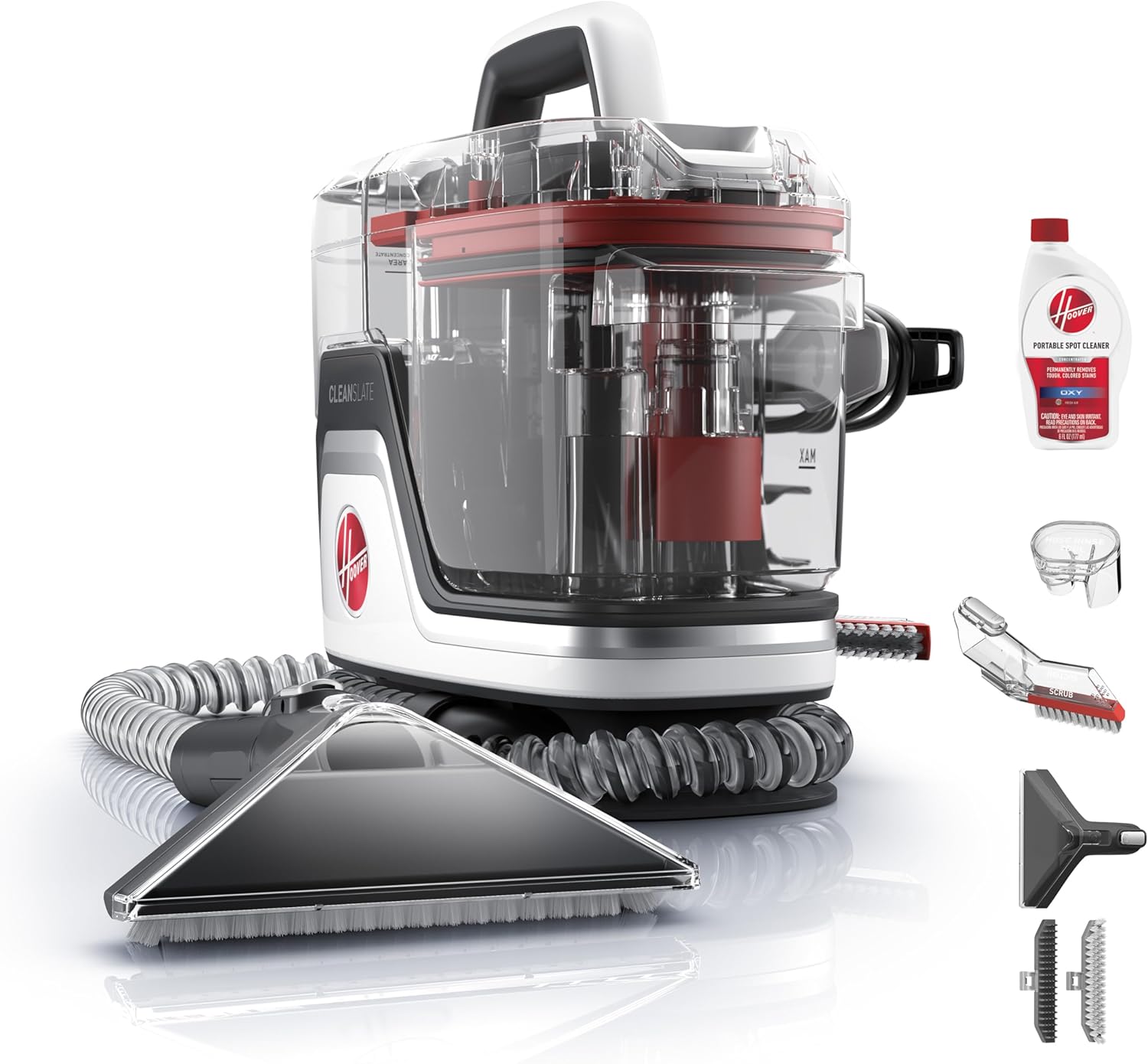 | Excellent | Fair | No | Large stains, carpets | Large | | |
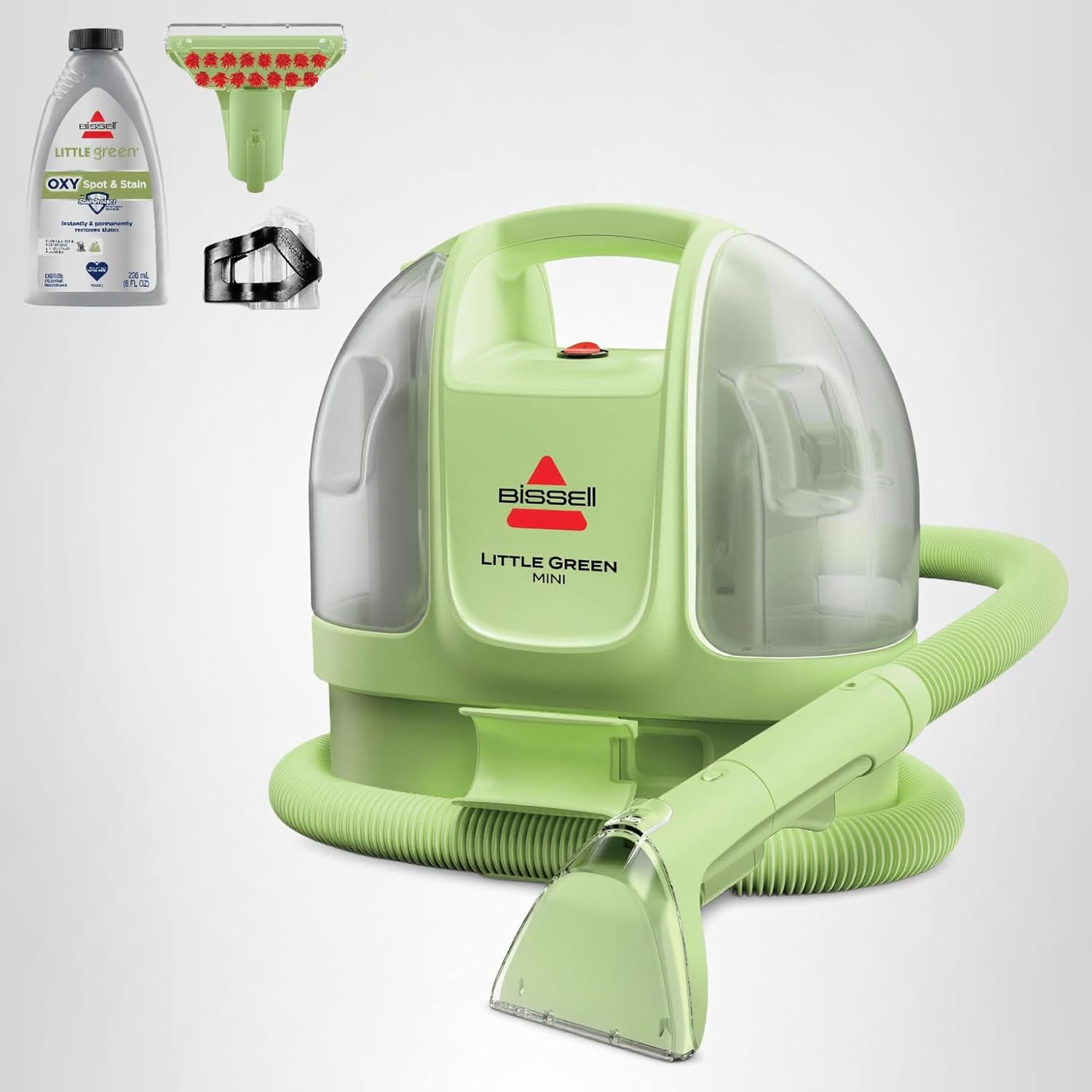 | Good | Excellent | No | Light stains, tiny spaces | Small | |
1. Prep Your Couch Before Cleaning
This stage decides 50% of your results — even before the cleaner touches the fabric.
A. Vacuum Thoroughly (Don’t Skip This)
Use a handheld vacuum or upholstery tool to remove:
- Dust
- Pet hair
- Crumbs
- Debris hidden in seams
If you skip vacuuming, debris mixes with moisture and creates mud-like streaks during cleaning.
B. Test a Hidden Spot First
Always test for colorfastness by spraying a small amount on the back or underside of the couch.
If the fabric darkens or absorbs unevenly, adjust your technique with:
- Less solution
- Faster extraction
- Additional blotting
C. Pre-Treat Stains
Spray lightly with an upholstery-safe cleaner or enzyme solution.
Let sit:
- 5–10 minutes for light stains
- 10–20 minutes for pet or food stains
This allows the stain to break down so the cleaner isn’t doing all the work.
- Shark StainForce is the best cordless option for fast, everyday cleanups.
- Shark StainStriker delivers the deepest cleaning power for tough carpet stains.
- Hoover CleanSlate Pro is the best for large spills and high-traffic homes.
- BISSELL Little Green remains the best all-around value.
- BISSELL Little Green Mini is the best tiny-but-mighty option for small spaces.
2. Clean the Couch Using Your Portable Carpet Cleaner
This is where the right technique prevents water marks, streaks, and long dry times.
Step 1 — Apply Solution Lightly
Use a fine mist, not a heavy spray. Upholstery should never be saturated.
Your cleaner’s trigger should be tapped, not held.
Step 2 — Use Short, Controlled Scrubbing Strokes
Let the brush do the work — not pressure.
Move in straight lines, not circles (circles create uneven wet spots).
Step 3 — Extract Slowly (This Is the Secret)
For every “wet” pass, do 3–6 suction-only passes.
Move the nozzle slowly, overlapping each stroke.
Extraction is what prevents:
- Water rings
- Reappearing stains
- Musty couch smell
- Prolonged wetness
This technique is the same extraction principle I highlight in deep-cleaning comparisons like Tineco S9 vs S5 — suction matters more than scrubbing.
Step 4 — Clean in Panels, Not Random Patches
Upholstery looks best when cleaned in larger connected sections.
Try:
- Cleaning the entire cushion
- Cleaning full armrests
- Cleaning full back sections
This keeps fabric from drying unevenly.
Step 5 — Feather the Edges
Use lighter suction around the entire perimeter to avoid hard lines where clean and unclean areas meet.
Product | Cleaning Power | Portability | Cordless | Best Use Case | Tank Size | Price | |
|---|---|---|---|---|---|---|---|
| Good | Excellent | Yes | Quick spills, pets, cars | Small | | |
| Excellent | Good | No | Deep stains, carpets | Medium | | |
| Very Good | Good | No | Everyday stains, upholstery | Medium | | |
| Excellent | Fair | No | Large stains, carpets | Large | | |
| Good | Excellent | No | Light stains, tiny spaces | Small | |
3. Dry the Couch Correctly (Most Beginners Mess This Up)
A damp couch is where smells and water marks begin — drying is crucial.
A. Blot with Towels Immediately After Cleaning
Press clean white towels firmly into the fabric.
You’ll lift moisture that machines miss.
B. Add Airflow
Point a fan directly at the couch and run it for several hours.
C. Lift Cushions to Allow Air Beneath
Foam cushions trap moisture. Standing them upright allows airflow on all sides.
D. Avoid Sitting on the Couch for 6–12 Hours
Pressure can force moisture deeper.
With proper technique, your couch should dry completely within 4–8 hours.
Couch Cleaning Dos & Don’ts
Upholstery Cleaning Guide
Do | Don’t |
|---|---|
Vacuum before cleaning | Skip vacuuming — causes streaks |
Use light spray | Soak the fabric |
Do slow, overlapping extraction | Scrub in circles |
Clean in full panels | Spot clean tiny circles |
Blot after cleaning | Let moisture sit in foam |
Use airflow to dry | Rely on air drying alone |
FAQs
Can I use a portable carpet cleaner on any couch fabric?
Most fabric couches are safe, but always check the cleaning code. “W” and “WS” fabrics are ideal. “S” fabrics need solvent-only cleaners.
How do I prevent water rings when cleaning a couch?
Use minimal water, extract slowly, feather edges, blot afterward, and use airflow for quick drying.
Can I clean microfiber couches with a portable cleaner?
Yes — microfiber responds well to light misting and strong extraction. Avoid overwetting.
Why does my couch smell after I clean it?
It dried too slowly. Foam traps moisture. Add airflow and blot more aggressively.
Should I remove the cushions to clean them?
If they’re removable, yes — it allows full coverage and faster drying.
Other Interesting Articles
- Which Tineco Is Better? The 5 Best Models For Real Homes
- Tineco S9 vs S5: Top Tineco Floor One for Everyday Use
- Tineco S9 vs S6: Which Tineco Floor One Model Cleans Best?
- Tineco Floor One S9 Artist vs Dreame H15 Pro Heat: Which Cleaner Gets the Gold?
- Tineco S9 vs S7: Which Smart Floor Cleaner Should You Buy?
About the Author
VacuumsPal specializes in hands-on testing and real-world cleaning techniques that actually work. From upholstery care to carpet restoration, we break down complex processes into clear, simple steps anyone can follow.