
I'm a participant in the Amazon Services LLC Associates Program, an affiliate advertising program designed to provide a means for me to earn fees by linking to Amazon.com and affiliated sites.
Fabric headboards quietly collect more dirt than almost any other part of your bedroom—body oils, sweat, dust, pet hair, and accidental spills. The problem is that headboards are vertical, padded, and slow-drying, so cleaning them the wrong way can leave water marks, odors, or sagging fabric. Here you’ll learn how to clean a fabric headboard using a spot cleaner.
Quick Verdict:
You can safely clean a fabric headboard with a spot cleaner if you use minimal liquid, clean in sections, extract far more than you spray, and dry quickly. The goal is refreshing the fabric surface—not soaking the padding underneath.
Why this matters:
Unlike carpets, headboards don’t get airflow from below. Any moisture left behind stays trapped. Proper technique keeps your headboard clean, odor-free, and structurally sound.
Product | Cleaning Power | Portability | Cordless | Best Use Case | Tank Size | Price | |
|---|---|---|---|---|---|---|---|
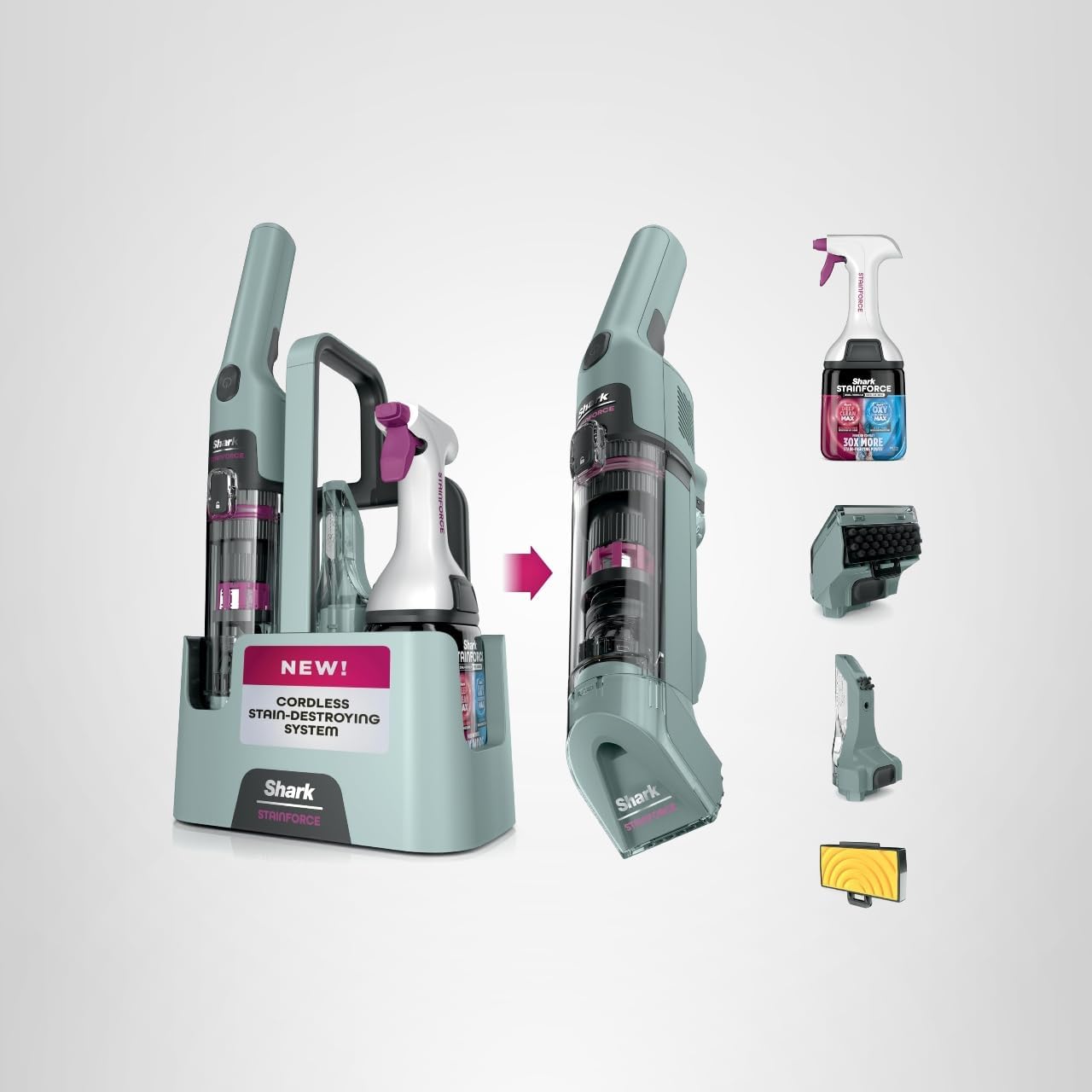 | Good | Excellent | Yes | Quick spills, pets, cars | Small |  | |
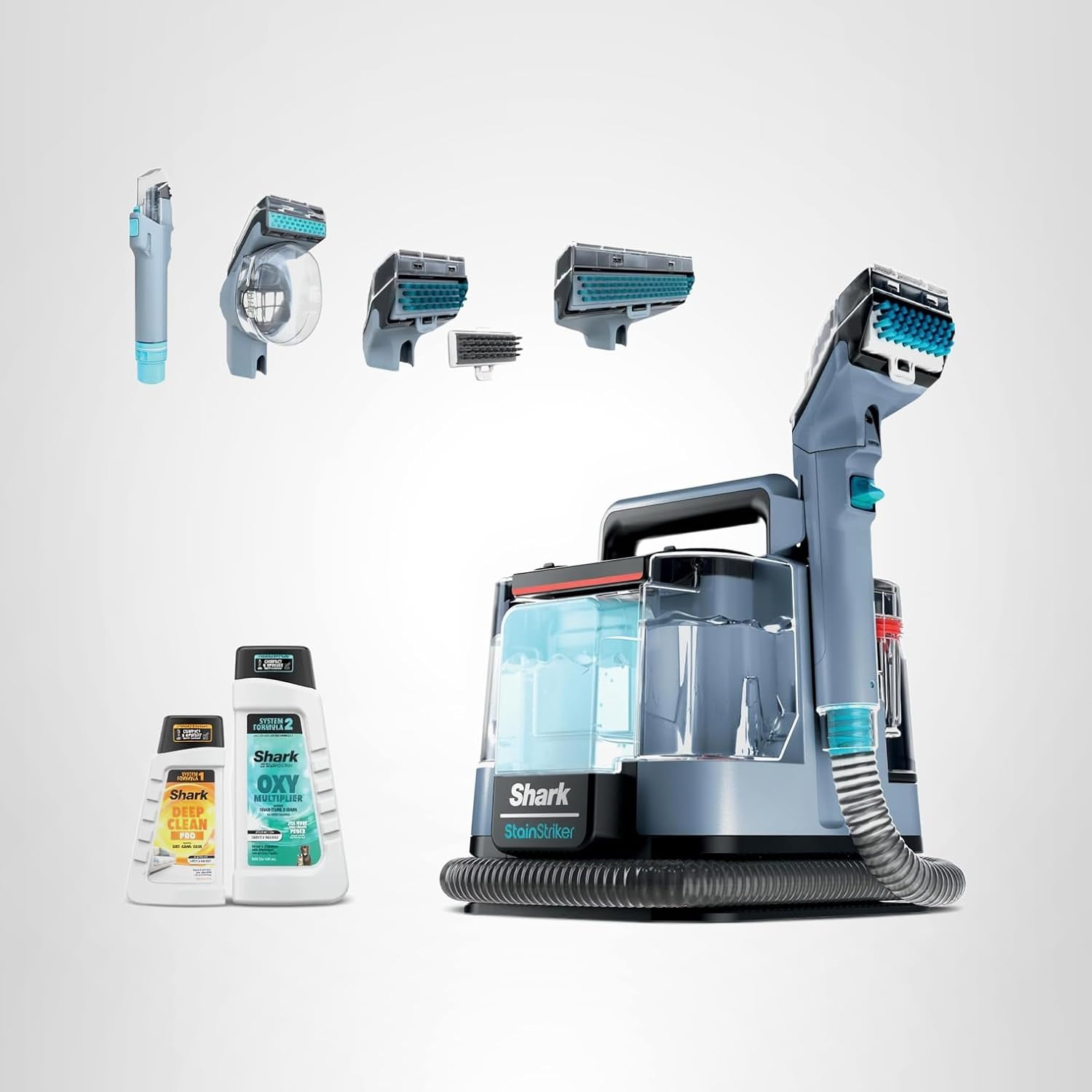 | Excellent | Good | No | Deep stains, carpets | Medium | | |
 | Very Good | Good | No | Everyday stains, upholstery | Medium | | |
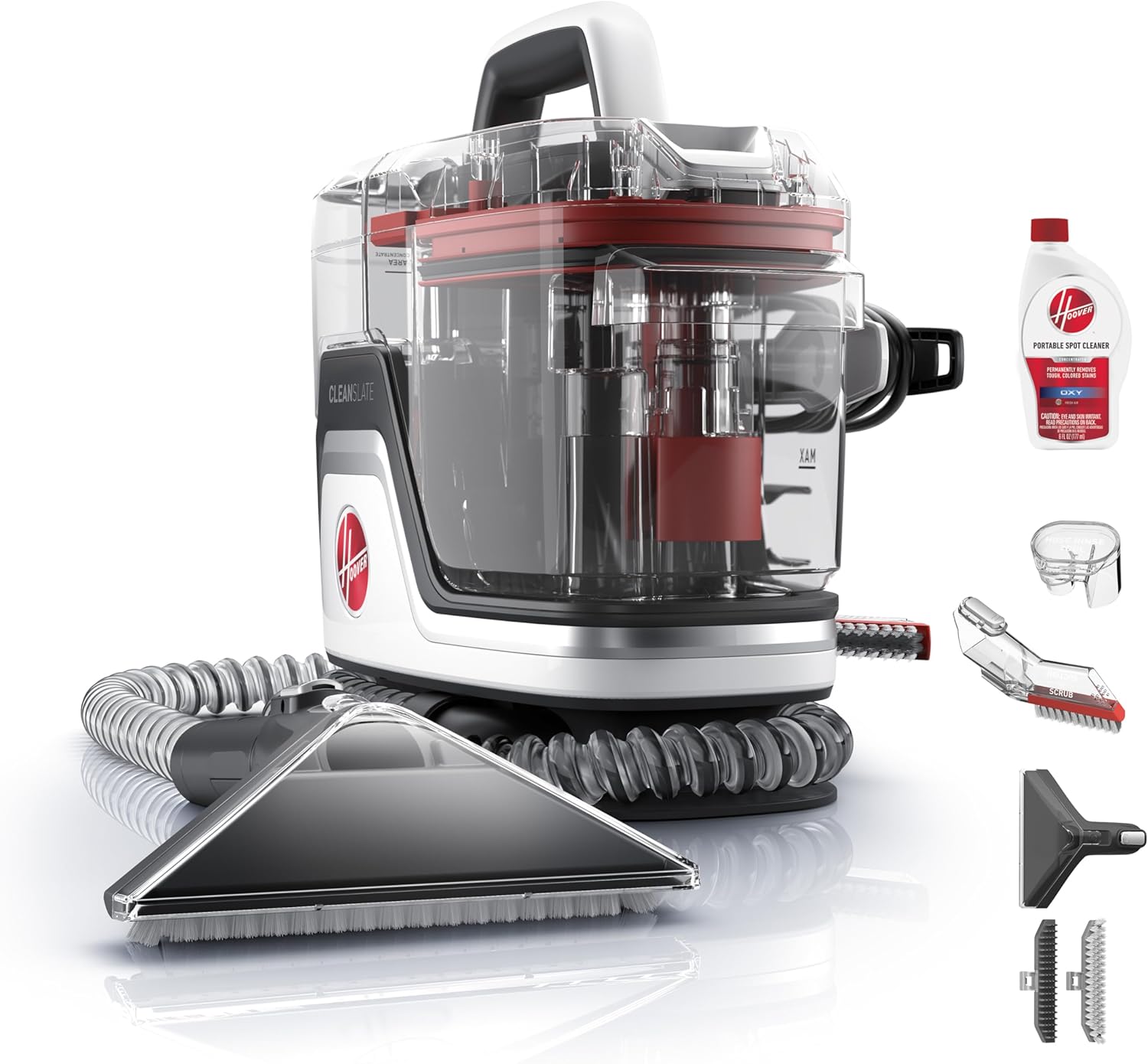 | Excellent | Fair | No | Large stains, carpets | Large | | |
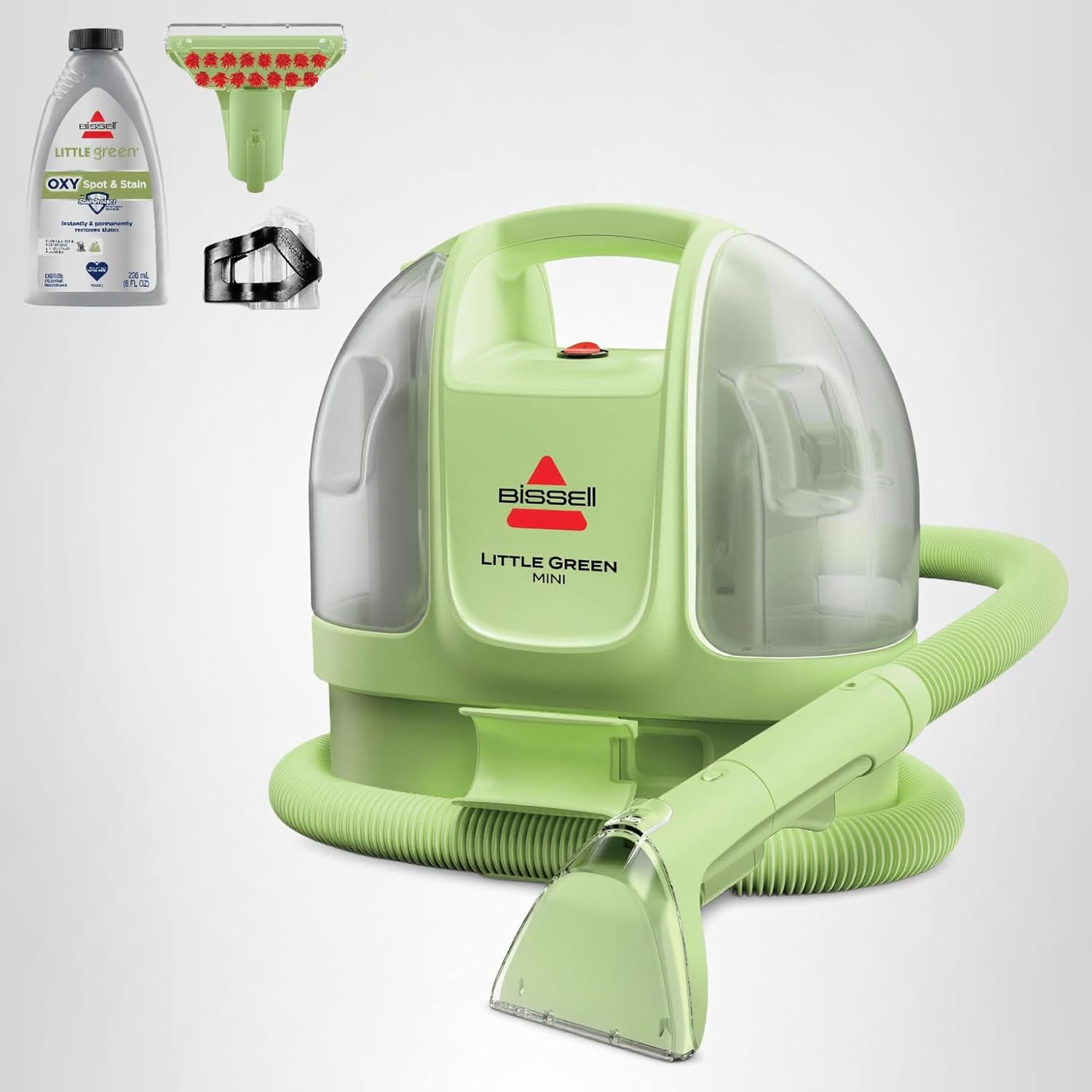 | Good | Excellent | No | Light stains, tiny spaces | Small | |
1. Prep the Headboard Properly (Prevents Water Marks & Odor)
A. Vacuum Thoroughly First
Use an upholstery attachment and vacuum:
- Dust and lint
- Skin flakes
- Pet hair
- Debris in seams and tufting
Why:
Cleaning over dry debris turns moisture into grime and causes streaking.
B. Identify the Fabric Type
Most fabric headboards fall into:
- Polyester or microfiber (most forgiving)
- Linen or cotton blends (absorb faster)
- Velvet (requires extra caution)
If the fabric darkens unevenly when damp, use extra-light moisture and heavier extraction.
C. Spot Test First
Lightly mist a hidden section (back or bottom edge), extract, and wait 10–15 minutes.
- No color transfer = safe to proceed
- Dark rings = reduce spray, increase suction
- Shark StainForce is the best cordless option for fast, everyday cleanups.
- Shark StainStriker delivers the deepest cleaning power for tough carpet stains.
- Hoover CleanSlate Pro is the best for large spills and high-traffic homes.
- BISSELL Little Green remains the best all-around value.
- BISSELL Little Green Mini is the best tiny-but-mighty option for small spaces.
D. Light Pre-Treatment (Optional)
For visible body oil or sweat:
- Use a mild upholstery cleaner or enzyme cleaner
- Light mist only
- Dwell time: 5–10 minutes
Never pre-soak a headboard.
2. How to Use a Spot Cleaner on a Fabric Headboard (Step-by-Step)
Step 1 — Work in Small Sections
Clean areas about 12–18 inches wide at a time.
This prevents uneven drying and visible water lines.
Step 2 — Spray Sparingly
- One short trigger pull at a time
- Fabric should feel slightly damp, not wet
- No dripping or shine
Rule:
If moisture starts to run downward, stop spraying.
Step 3 — Gentle Agitation
- Short, straight strokes
- Minimal pressure
- Focus on lifting oils from the surface—not pushing moisture into padding
Product | Cleaning Power | Portability | Cordless | Best Use Case | Tank Size | Price | |
|---|---|---|---|---|---|---|---|
| Good | Excellent | Yes | Quick spills, pets, cars | Small | | |
| Excellent | Good | No | Deep stains, carpets | Medium | | |
| Very Good | Good | No | Everyday stains, upholstery | Medium | | |
| Excellent | Fair | No | Large stains, carpets | Large | | |
| Good | Excellent | No | Light stains, tiny spaces | Small | |
Step 4 — Extract Aggressively
This is the most important step.
For every light spray:
- Perform 6–10 slow suction-only passes
- Keep the nozzle sealed
- Move slowly and evenly
This same extraction-first principle is why airflow and suction matter so much in floor care—something we emphasize often at VacuumsPal, including in deep-dive guides like Tineco S9 vs S5.
Step 5 — Feather the Edges
Light suction around the borders of each section blends cleaned and uncleaned areas, preventing lines.
Step 6 — Rinse Only if Needed
If residue remains:
- Lightly mist clean water only
- Extract thoroughly again
Residue causes re-soiling and odor.
3. Dry the Headboard Fast (Critical for Success)
A. Blot Immediately
Press clean, dry towels against the fabric to lift hidden moisture.
B. Maximize Airflow
- Aim a fan directly at the headboard
- Open windows if humidity is low
- Use a dehumidifier if available
Target: Fully dry within 3–6 hours.
C. Keep the Bed Clear
- Pull the bed slightly away from the wall
- Avoid placing pillows against the headboard until dry
Trapped moisture behind the bed is a common cause of lingering odor.
Fabric Headboard Cleaning Dos & Don’ts
Cleaning a Fabric Headboard Safely
Do | Don’t |
|---|---|
Vacuum before cleaning | Clean over dust or hair |
Use light mist only | Soak the fabric |
Extract slowly & repeatedly | Do quick suction passes |
Clean in small sections | Clean the whole headboard at once |
Use airflow to dry | Push bed back immediately |
Spot test first | Assume all fabrics behave the same |
4. Common Headboard Cleaning Mistakes
- ❌ Over-spraying solution
- ❌ Treating it like carpet or upholstery cushions
- ❌ Skipping extraction passes
- ❌ Letting moisture dry slowly
- ❌ Ignoring faint odors (a sign of trapped moisture)
If the headboard smells after drying, it’s not fully dry yet.
FAQs – How to Clean a Fabric Headboard Using a Spot Cleaner
Can you clean a fabric headboard with a spot cleaner?
Yes—when used lightly with strong extraction and fast drying.
Will this remove sweat and body oil stains?
Yes. Light pre-treatment plus proper extraction removes most oil buildup safely.
How long should a fabric headboard dry?
Typically 3–6 hours with good airflow.
Can headboards get water marks?
Yes—usually from over-spraying or uneven drying. Small sections and feathering prevent this.
Is it safe to clean a velvet headboard this way?
Yes, but use extremely light moisture and extra suction. Always spot test first.
Other Interesting Articles
- Best Carpet Spot Cleaner (2026): Top 5 Picks After Testing Real Stains
- Shark StainForce vs Hoover CleanSlate: Best for Carpet Deep Cleaning
- Shark StainForce vs Shark StainStriker: Best Portable Carpet and Upholstery Cleaner
- Shark StainForce vs Bissell Little Green: Which Spot Cleaner Should You REALLY Buy?
About the Author
VacuumsPal helps homeowners clean smarter by focusing on technique, extraction science, and real-world results—not guesswork. From bedrooms to carpets to upholstery, we break down what actually works so you protect your home and your investment.