
I'm a participant in the Amazon Services LLC Associates Program, an affiliate advertising program designed to provide a means for me to earn fees by linking to Amazon.com and affiliated sites.
Most stains look simple enough — a splash of coffee, a muddy paw print, maybe a wine drop that should wipe right up. But some stains keep reappearing, spreading, or turning into musty smells no matter how many times you clean them. So how do you know when DIY carpet cleaning is enough, and when it’s time to call a professional?
Quick Verdict:
DIY spot cleaning works for fresh, surface-level stains, but you need a professional when stains sink into the padding, keep coming back, cover large areas, involve biohazards (like pet urine), or when drying takes too long. If a stain keeps returning after proper extraction, it’s a padding problem — and only a pro can fix it.
Why this matters:
Most people waste hours re-cleaning the same stain because they think they’re doing something wrong. In reality, they’re trying to fix a problem that’s happening under the carpet, not on top of it. Knowing the difference saves money, time, and prevents permanent damage.
Product | Cleaning Power | Portability | Cordless | Best Use Case | Tank Size | Price | |
|---|---|---|---|---|---|---|---|
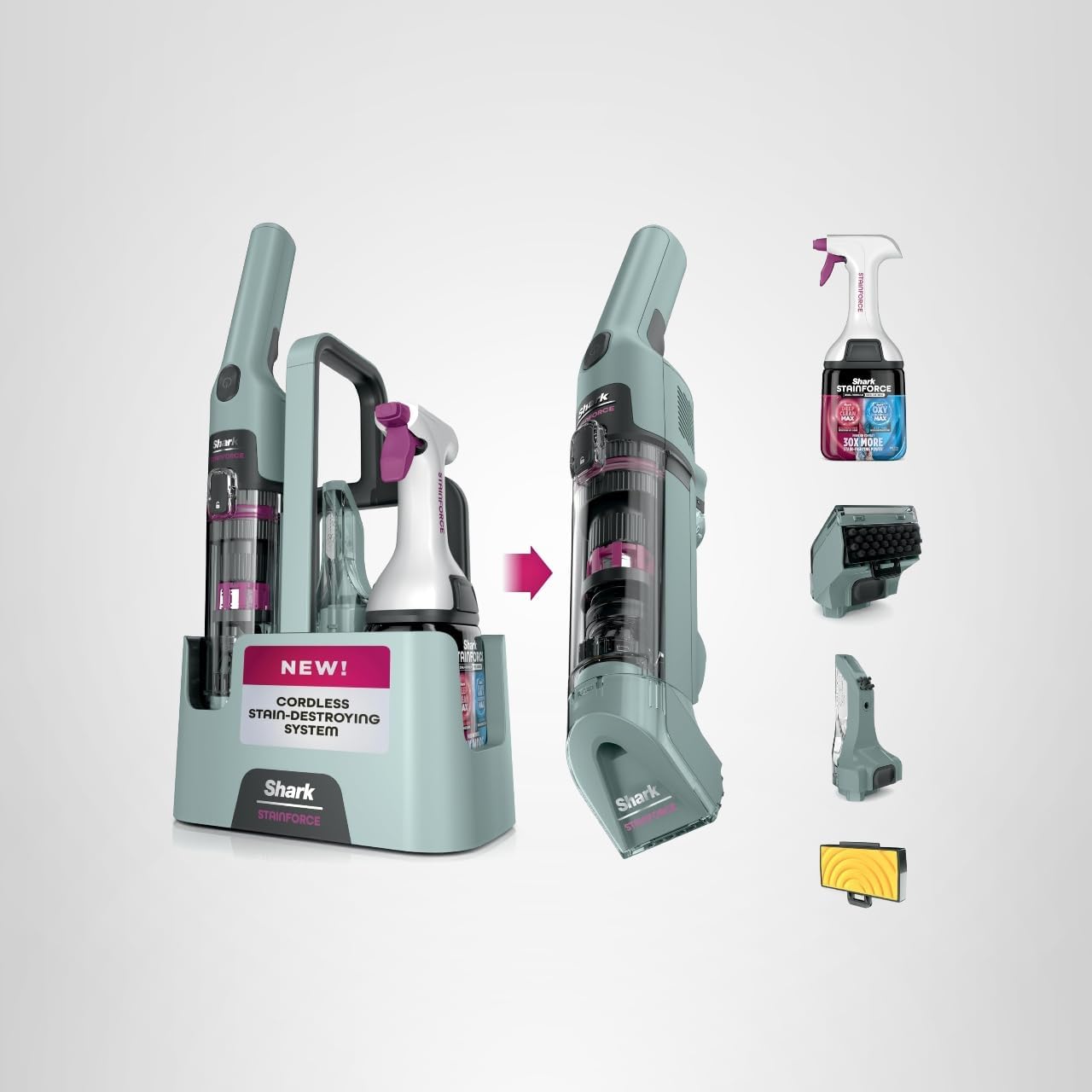 | Good | Excellent | Yes | Quick spills, pets, cars | Small |  | |
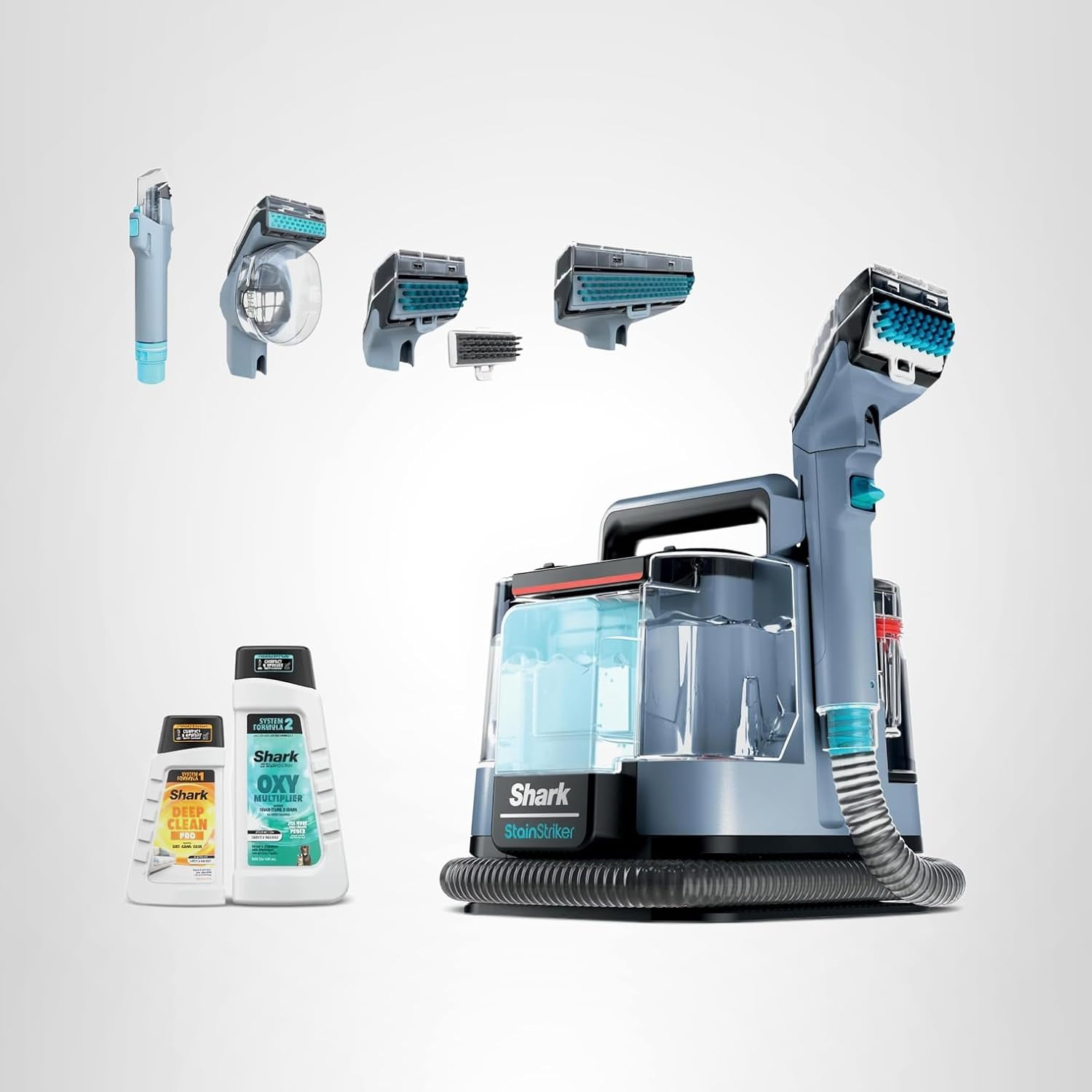 | Excellent | Good | No | Deep stains, carpets | Medium | | |
 | Very Good | Good | No | Everyday stains, upholstery | Medium | | |
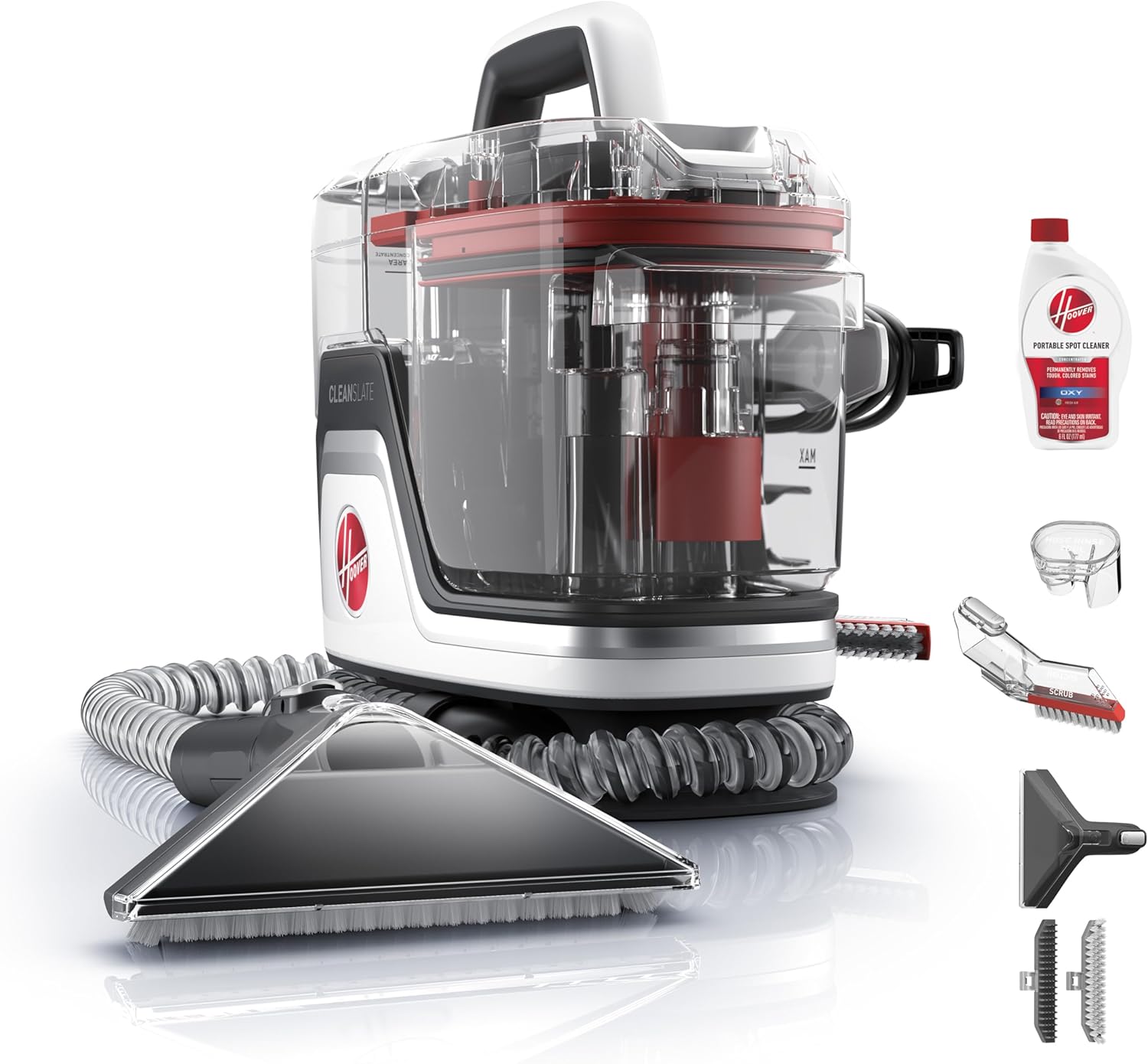 | Excellent | Fair | No | Large stains, carpets | Large | | |
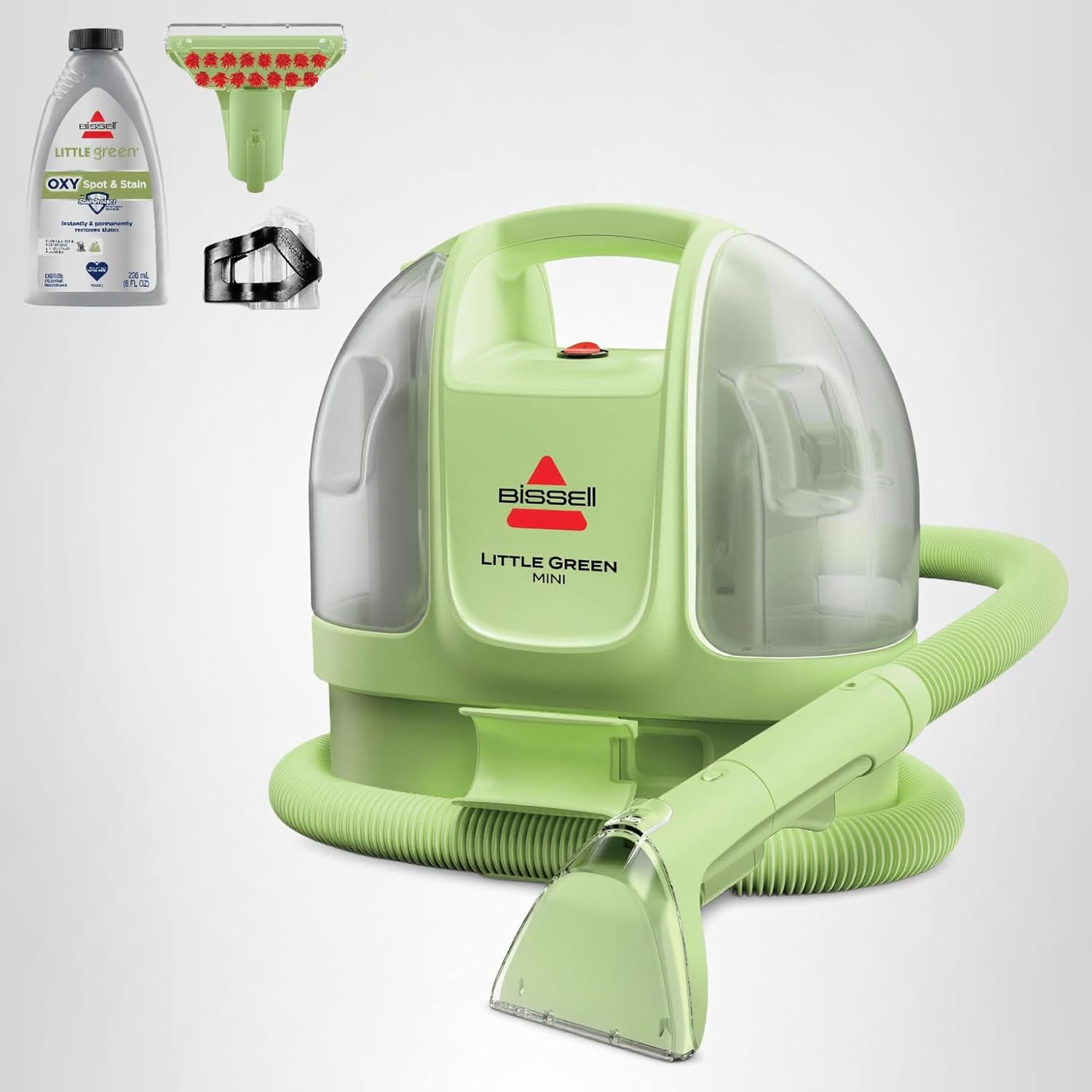 | Good | Excellent | No | Light stains, tiny spaces | Small | |
1. When DIY Spot Cleaning Is Enough (More Often Than You Think)
DIY is perfect for small, fresh stains that haven’t had time to travel deep into the carpet backing.
A. Fresh Spills and Surface Stains
These include:
- Coffee or tea drips
- Food splatters
- Mud tracked in
- Light pet accidents caught immediately
- Everyday grime in traffic zones
With the right extraction technique — slow suction passes, feathering edges, and fast drying — DIY tools work extremely well.
B. Stains on Low-Pile or Synthetic Carpets
Synthetic fibers don’t absorb deeply, so even a portable carpet cleaner can remove most stains in minutes.
C. Small, Contained Spots (Under 6 inches)
If the stain hasn’t spread, DIY is ideal.
D. You Clean Quickly After the Spill
Most stains become “professional-level” when people wait:
- 30 minutes for liquids
- Hours for oily stains
- Overnight for urine
Clean fast, and DIY works beautifully.
- Shark StainForce is the best cordless option for fast, everyday cleanups.
- Shark StainStriker delivers the deepest cleaning power for tough carpet stains.
- Hoover CleanSlate Pro is the best for large spills and high-traffic homes.
- BISSELL Little Green remains the best all-around value.
- BISSELL Little Green Mini is the best tiny-but-mighty option for small spaces.
2. When DIY Fails (And Why These Stains Keep Coming Back)
Some stains defeat even perfect technique. It’s not your fault — it’s the carpet’s structure.
A. The Stain Has Reached the Carpet Padding
Red flags:
- The stain reappears the next day
- The area smells even after cleaning
- You see a larger ring than the original stain
This is classic wicking — moisture and residue hiding in the carpet backing and pad. A portable carpet cleaner can’t reach that deep.
B. Large Stains or Spills That Spread Under the Carpet
If the stain is bigger than your hand, chances are it has migrated downward.
Professionals use:
- Subsurface extraction tools
- High-CFM vacuums
- Weighted flood extractors
DIY machines simply can’t match that depth.
C. Pet Urine Has Soaked In (Especially Cats)
Pet urine crystallizes in the padding and subfloor.
DIY cleaners remove only the surface odor — not the source.
If you’ve tried enzyme cleaners and extraction but smell returns, it’s a pro-only job.
D. The Carpet Stays Wet for More Than 6 Hours
Slow drying allows odors, mold risk, and bacteria growth.
Pros use heated systems and high-airflow drying setups.
E. The Stain Is Caused by Oil, Ink, Paint, or Permanent Dyes
Some stains require solvents not available to consumers.
F. You’ve Cleaned the Same Spot 2–3 Times With No Improvement
If technique is correct and the stain persists, it’s not a surface problem anymore.
3. When You Definitely Need a Professional (No Exceptions)
Some situations require pro-level tools and training.
A. Padding-Level or Subfloor Contamination
If moisture or odor has reached the carpet padding, professionals use subsurface extractors that literally pull water up through the carpet.
B. Black Mold, Mildew, or Sewage Exposure
DIY tools cannot sanitize contamination safely.
C. Multiple Pet Accidents in the Same Area
These soak and spread. Professionals test, treat, extract, and neutralize odor.
D. Large Area Staining (Bigger than 2 feet)
These stains are deeper and require powerful, heated extraction.
E. Expensive or Delicate Carpets
Pro cleaners understand fiber types and use appropriate detergents to prevent damage.
F. When You’re Preparing a Home for Sale or Rent
Professionally cleaned carpets photograph better, sell better, and avoid buyer complaints.
Product | Cleaning Power | Portability | Cordless | Best Use Case | Tank Size | Price | |
|---|---|---|---|---|---|---|---|
| Good | Excellent | Yes | Quick spills, pets, cars | Small | | |
| Excellent | Good | No | Deep stains, carpets | Medium | | |
| Very Good | Good | No | Everyday stains, upholstery | Medium | | |
| Excellent | Fair | No | Large stains, carpets | Large | | |
| Good | Excellent | No | Light stains, tiny spaces | Small | |
WordPress-Friendly Table: DIY vs Professional Spot Cleaning
DIY vs Pro Spot Cleaning
Situation | DIY OK? | Pro Recommended? | Why |
|---|---|---|---|
Fresh spills | ✓ | — | Easy to remove before sinking |
Small stains (<6 inches) | ✓ | — | Surface-level only |
Light pet accidents caught early | ✓ | — | No deep contamination |
Stains reappearing after cleaning | — | ✓ | Padding problem |
Lingering odors | — | ✓ | Requires subsurface extraction |
Large stains | — | ✓ | Spreads under carpet |
Multiple pet urine spots | — | ✓ | Crystallization in padding |
Ink, paint, oils | — | ✓ | Needs special solvents |
Drying takes over 6 hours | — | ✓ | Improper moisture removal |
Preparing home for sale | — | ✓ | Higher aesthetic expectation |
FAQs
How do I know if a stain has reached the padding?
If it reappears after 12–24 hours, smells musty, or spreads into a larger ring, it’s in the padding.
Can portable carpet cleaners handle deep stains?
They can’t reach the backing or padding. They’re excellent for surface stains but not subsurface issues.
Does professional cleaning ruin carpets?
No — pros adjust chemicals and pressure based on fiber type. Overwetting is more common with DIY users.
Is it worth paying a pro for one stain?
Yes if the stain smells, keeps returning, or involves pet urine. These cannot be fully resolved with DIY tools.
Can repeated DIY cleaning damage the carpet?
Yes. Overwetting and scrubbing can separate fibers or cause texture distortion.
Other Interesting Articles
- Best Carpet Spot Cleaner (2026): Top 5 Picks After Testing Real Stains
- Shark StainForce vs Hoover CleanSlate: Best for Carpet Deep Cleaning
- Shark StainForce vs Shark StainStriker: Best Portable Carpet and Upholstery Cleaner
- Shark StainForce vs Bissell Little Green: Which Spot Cleaner Should You REALLY Buy?
About the Author
VacuumsPal specializes in realistic, experience-based carpet care guidance. From DIY techniques to knowing when you need professional help, we make home cleaning simpler, smarter, and more effective.