I'm a participant in the Amazon Services LLC Associates Program, an affiliate advertising program designed to provide a means for me to earn fees by linking to Amazon.com and affiliated sites.
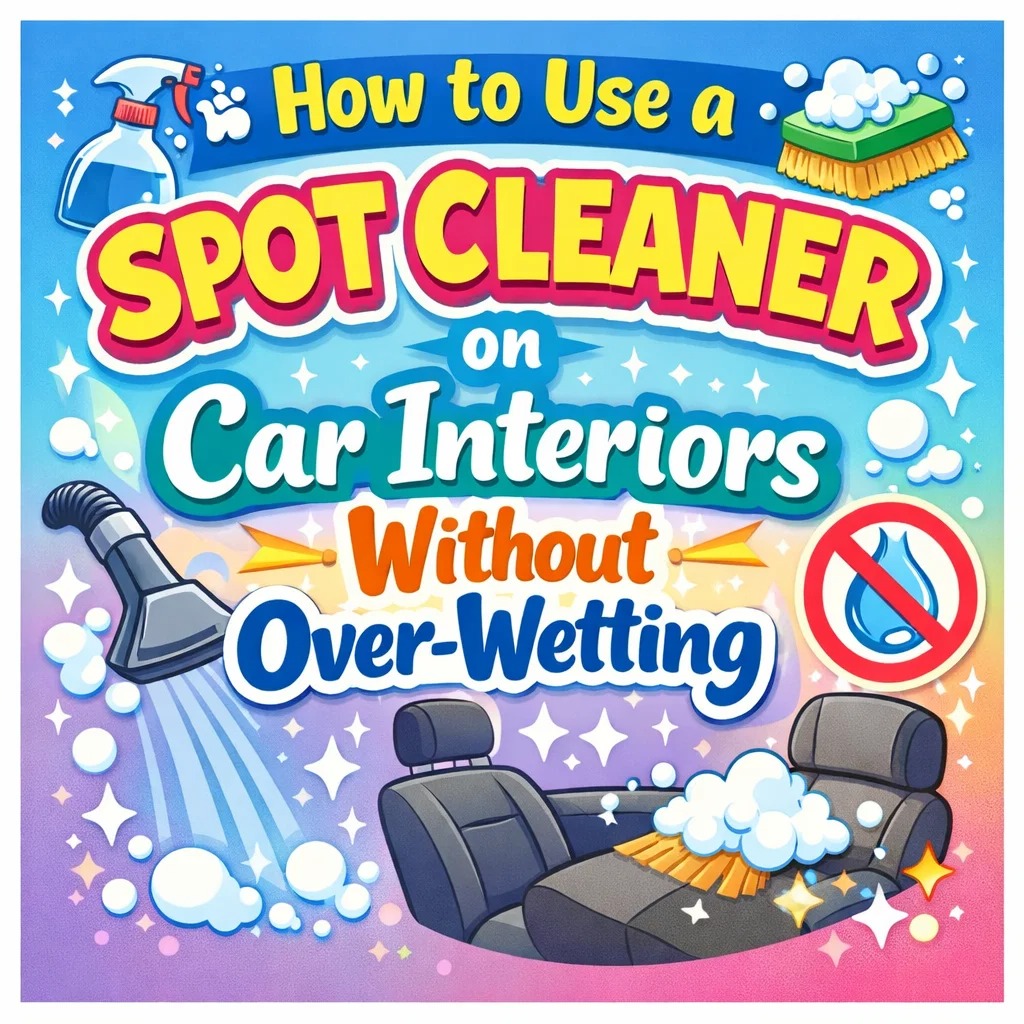
Car interiors trap spills, sweat, food oils, and odors—but they also dry much slower than home carpets. Seats, headliners, and door panels are thin, padded, and often glued. Over-wet them and you risk stains returning, musty smells, or sagging fabric. Here you’ll learn how to use a spot cleaner on car interiors without over-wetting.
Quick Verdict:
You can safely use a spot cleaner on car interiors if you mist lightly, extract aggressively, clean in small sections, and dry fast. The goal is lifting soil and moisture out, not soaking foam or adhesives underneath.
Why this matters:
Over-wetting is the #1 reason car seats smell after cleaning and why stains “ghost” back. The right technique keeps interiors clean, odor-free, and intact.
Product | Cleaning Power | Portability | Cordless | Best Use Case | Tank Size | Price | |
|---|---|---|---|---|---|---|---|
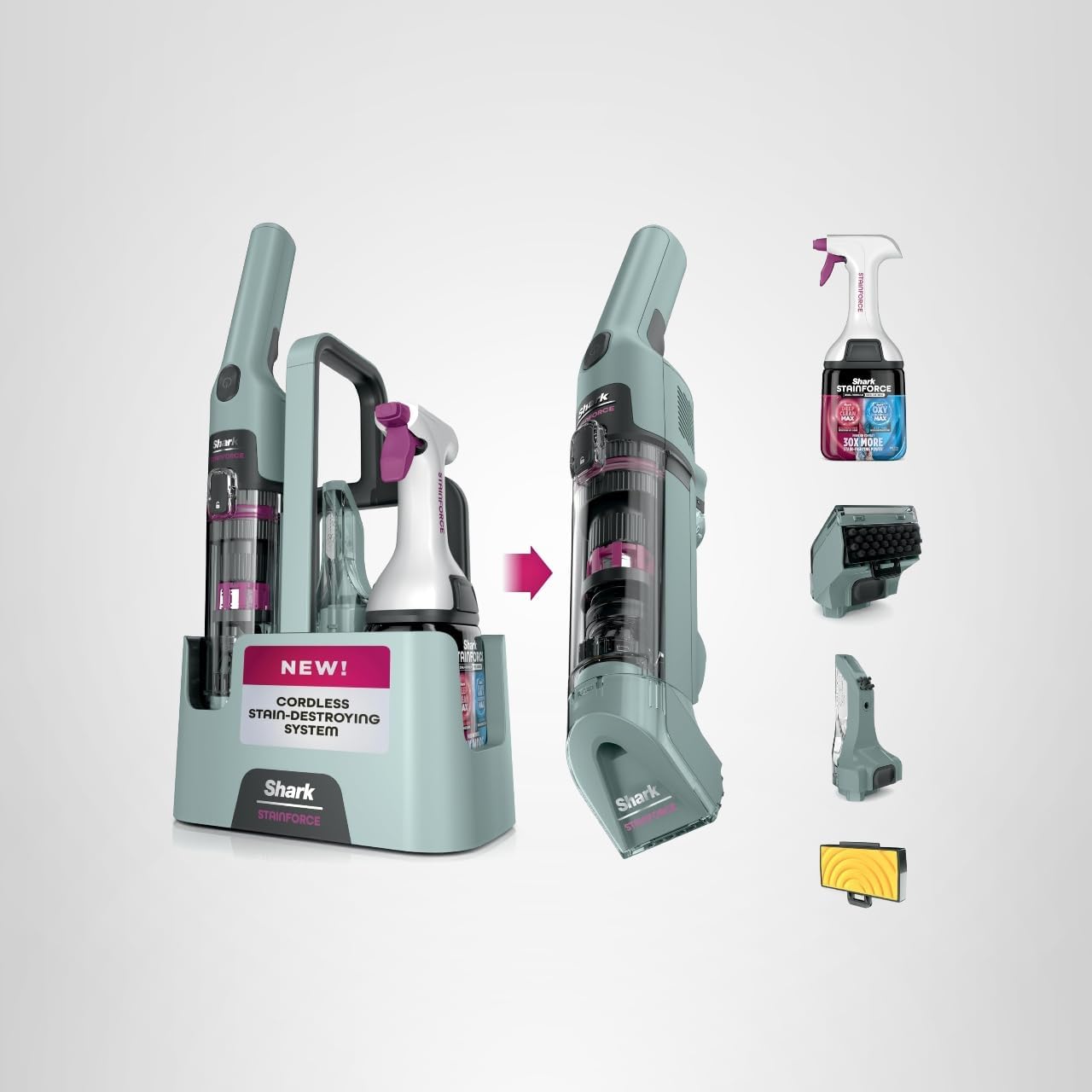 | Good | Excellent | Yes | Quick spills, pets, cars | Small |  | |
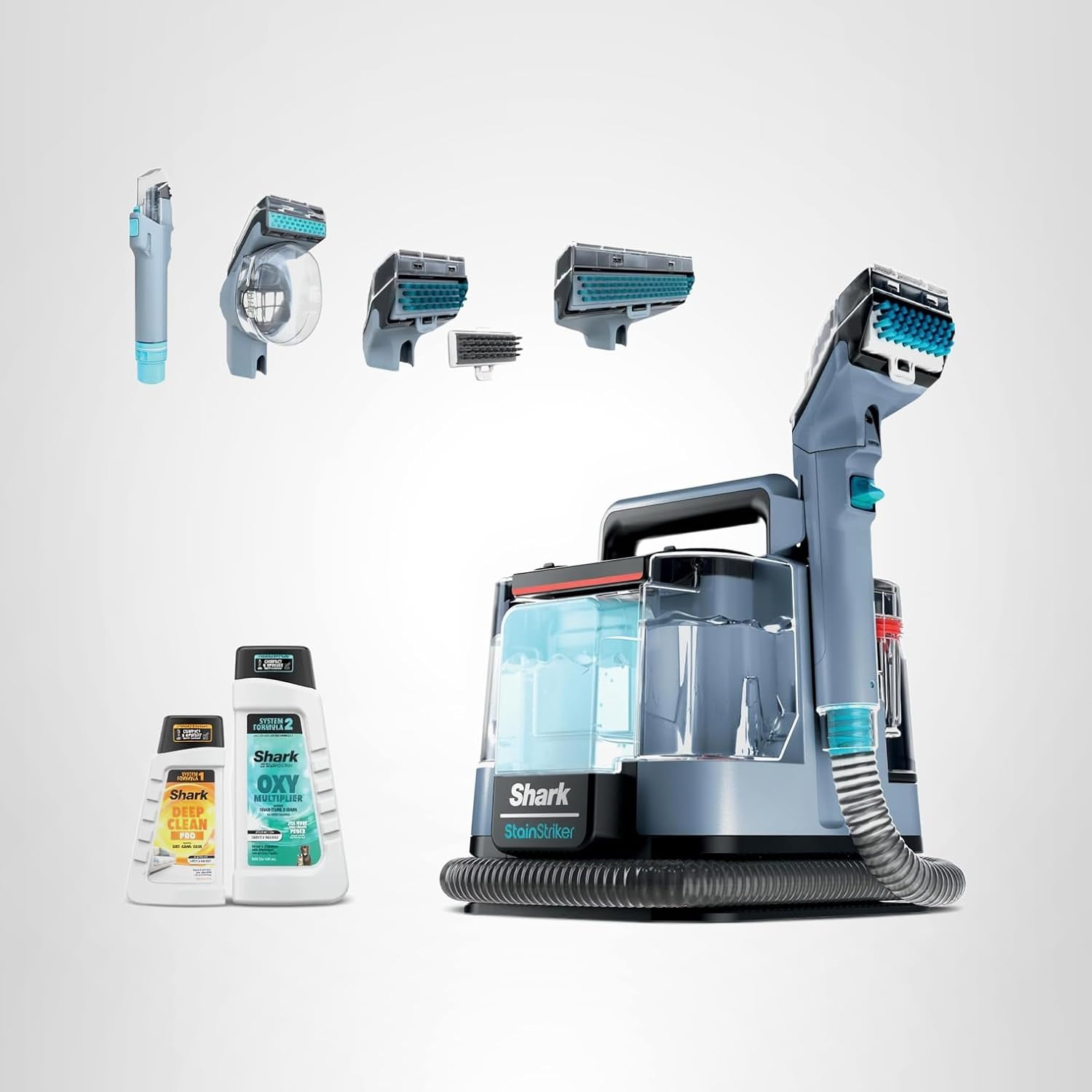 | Excellent | Good | No | Deep stains, carpets | Medium | | |
 | Very Good | Good | No | Everyday stains, upholstery | Medium | | |
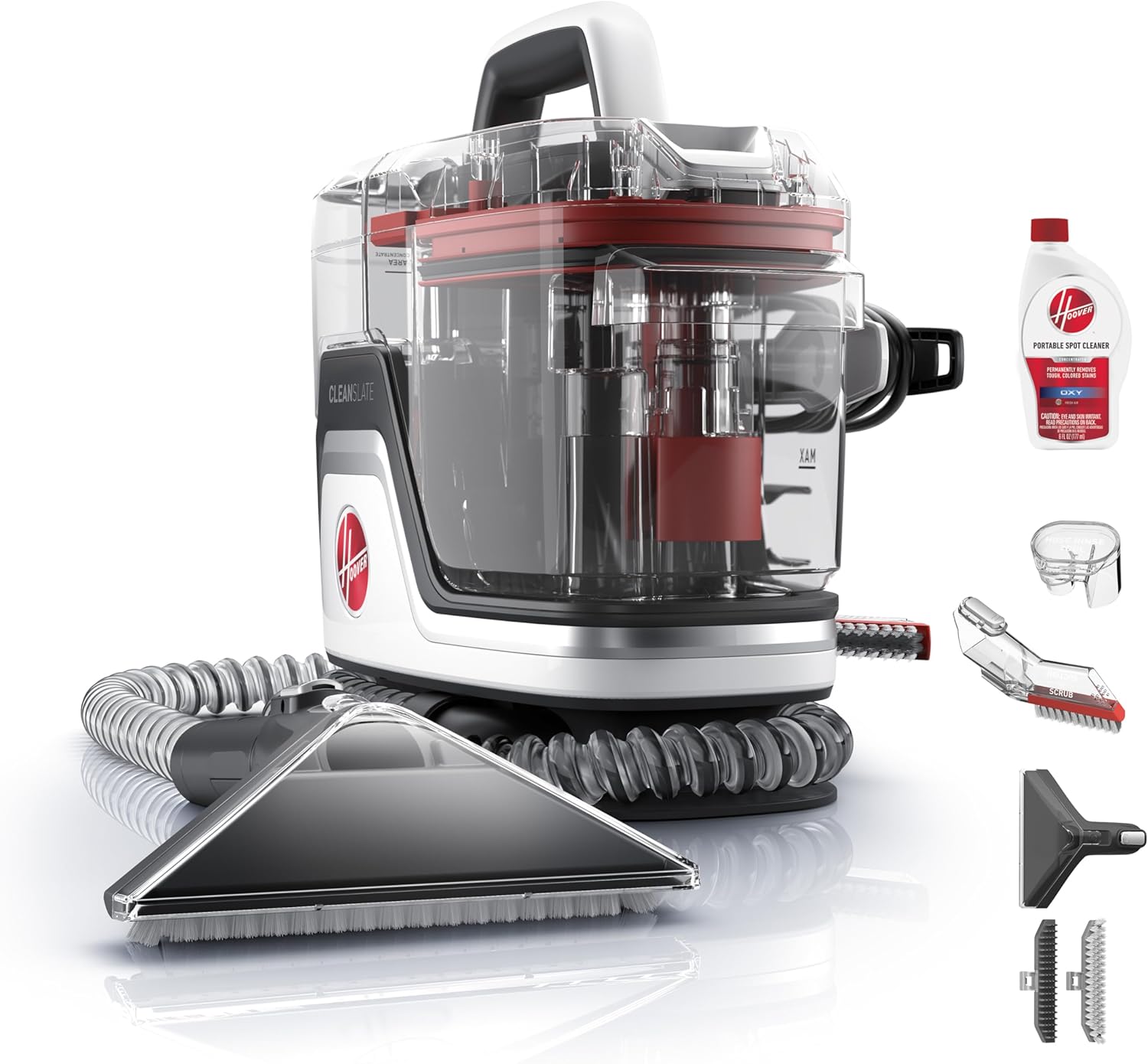 | Excellent | Fair | No | Large stains, carpets | Large | | |
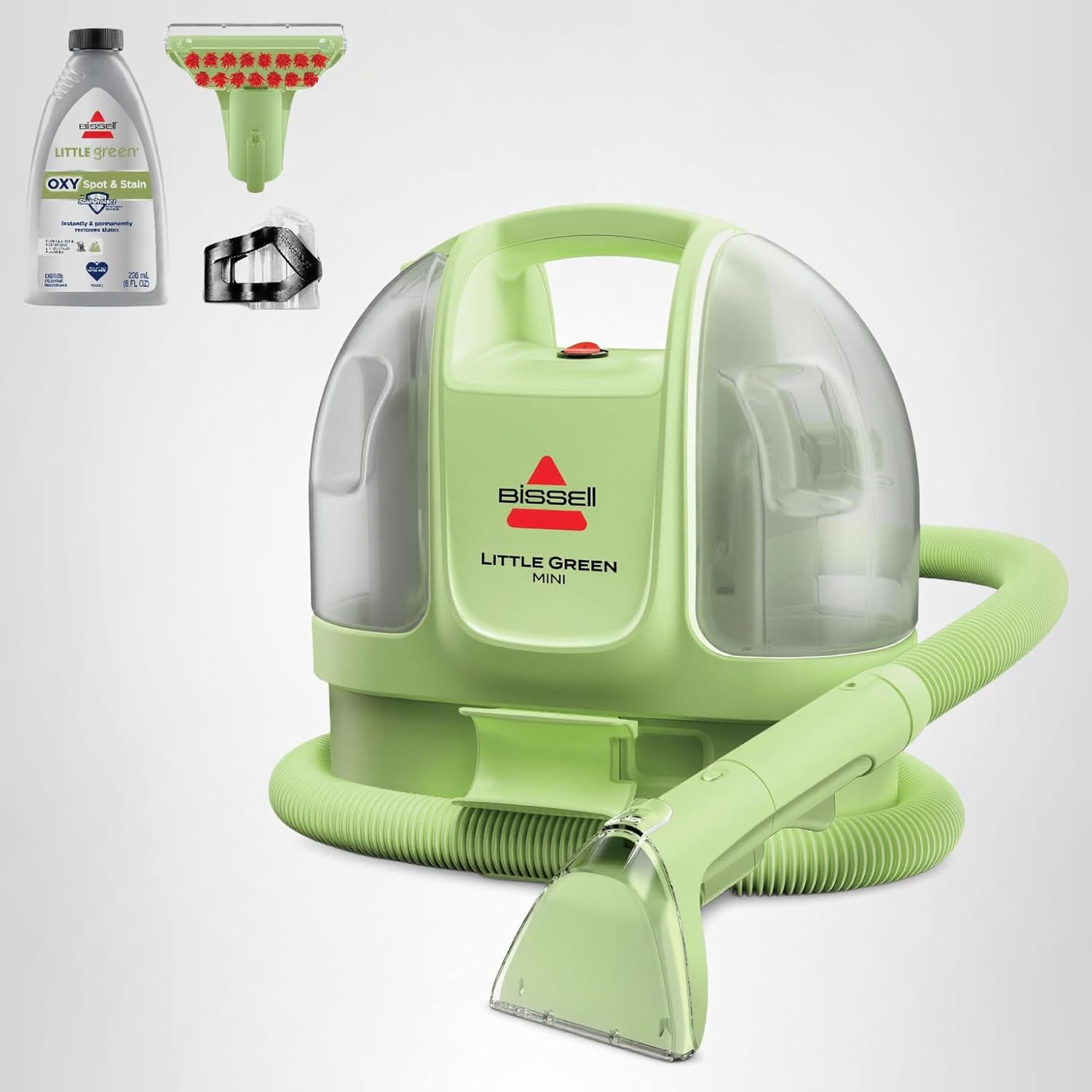 | Good | Excellent | No | Light stains, tiny spaces | Small | |
1. Prep the Interior the Right Way (Prevents Rings & Odor)
A. Vacuum First—Every Time
Thoroughly vacuum:
- Seats (seams and bolsters)
- Floor mats and carpets
- Door panels and crevices
Why: Moisture + loose debris = muddy streaks and residue.
B. Identify the Surface
Different car materials absorb differently:
- Cloth seats: Most forgiving, still slow-drying
- Alcantara/microfiber: Needs extra-light moisture
- Headliner: Extreme caution—minimal liquid only
- Carpeted footwells: Can handle a bit more extraction
If it darkens unevenly when damp, reduce spray and increase suction.
C. Spot Test
Light mist a hidden area, extract, wait 10 minutes.
No color transfer or rings = proceed.
- Shark StainForce is the best cordless option for fast, everyday cleanups.
- Shark StainStriker delivers the deepest cleaning power for tough carpet stains.
- Hoover CleanSlate Pro is the best for large spills and high-traffic homes.
- BISSELL Little Green remains the best all-around value.
- BISSELL Little Green Mini is the best tiny-but-mighty option for small spaces.
2. How to Clean Without Over-Wetting (Step-by-Step)
Step 1 — Work Small
Clean 8–12 inch sections at a time.
Small sections dry evenly and prevent tide lines.
Step 2 — Mist, Don’t Soak
- One short trigger pull per pass
- Fabric should feel slightly damp, never shiny or dripping
Rule: If liquid runs or beads, stop spraying.
Step 3 — Gentle Agitation
- Short, straight strokes
- Light pressure only
- Focus on surface soil—not pushing moisture down
Product | Cleaning Power | Portability | Cordless | Best Use Case | Tank Size | Price | |
|---|---|---|---|---|---|---|---|
| Good | Excellent | Yes | Quick spills, pets, cars | Small | | |
| Excellent | Good | No | Deep stains, carpets | Medium | | |
| Very Good | Good | No | Everyday stains, upholstery | Medium | | |
| Excellent | Fair | No | Large stains, carpets | Large | | |
| Good | Excellent | No | Light stains, tiny spaces | Small | |
Step 4 — Extract Far More Than You Spray
This is the difference between fresh and funky.
For every light spray:
- 6–10 slow suction-only passes
- Keep the nozzle sealed
- Move deliberately and overlap
This extraction-first approach is why airflow matters so much in cleaning—something VacuumsPal emphasizes often (including in deep-dive performance guides like Tineco S9 vs S5).
Step 5 — Rinse Only If Needed
If residue remains:
- Lightly mist clean water only
- Extract thoroughly again
Residue attracts dirt and traps odor.
3. Dry Fast (Critical in Cars)
A. Blot Immediately
Press clean towels into the fabric to lift hidden moisture.
B. Maximize Airflow
- Open doors/windows
- Run the fan or AC (cool, not heat)
- Aim a small fan if available
Target: Dry within 2–4 hours for seats; 4–6 hours for carpets.
C. Keep It Open
Leave doors ajar (securely) until fully dry.
Closed cars trap humidity and cause smells.
Car Interior Cleaning Dos & Don’ts
Spot Cleaning Car Interiors Safely
Do | Don’t |
|---|---|
Vacuum first | Clean over crumbs/hair |
Mist lightly | Soak foam or headliner |
Extract slowly & repeatedly | Do quick suction passes |
Clean small sections | Flood large areas |
Blot + airflow to dry | Close doors while damp |
Spot test first | Assume all fabrics react the same |
4. Common Car-Cleaning Mistakes to Avoid
- ❌ Treating seats like home carpet
- ❌ Over-spraying solution
- ❌ Skipping extraction passes
- ❌ Cleaning the headliner with liquid
- ❌ Closing the car before fully dry
If it smells after drying, moisture is still inside.
FAQs – How to Use a Spot Cleaner on Car Interiors Without Over-Wetting
Can I use a spot cleaner on car seats?
Yes—use minimal liquid, extract heavily, and dry fast.
How do I avoid water rings on car upholstery?
Work in small sections, feather edges, and extract more than you spray.
Is it safe to clean a car headliner with a spot cleaner?
Use extreme caution. Very light mist only, no scrubbing, heavy extraction. When in doubt, hand-clean.
Why does my car smell after cleaning seats?
Over-wetting or slow drying. Add airflow and re-extract with clean water if needed.
How long should seats dry?
With good airflow, 2–4 hours. Carpets may take 4–6 hours.
Other Interesting Articles
- Best Carpet Spot Cleaner (2026): Top 5 Picks After Testing Real Stains
- Shark StainForce vs Hoover CleanSlate: Best for Carpet Deep Cleaning
- Shark StainForce vs Shark StainStriker: Best Portable Carpet and Upholstery Cleaner
- Shark StainForce vs Bissell Little Green: Which Spot Cleaner Should You REALLY Buy?
About the Author
VacuumsPal helps homeowners and drivers clean smarter by focusing on technique, extraction science, and real-world results—not guesswork. From car interiors to carpets and upholstery, we explain what actually works so you avoid damage and lingering odors.